
A Simple Guide to Outdoor Observation, Reflection, and Real-Life Thinking
In a world buzzing with screens and schedules, nature journaling gives children a quiet place to land. It slows them down. It encourages them to look more closely, ask questions, and capture what they see, feel, and wonder. But nature journaling is not just drawing flowers. It is a gentle yet powerful way to build cognitive and critical thinking skills while connecting deeply with the world around them.
Whether you are homeschooling, teaching in a classroom, or simply nurturing a curious child, here’s how to introduce kids to nature journaling in a way that is simple, meaningful, and truly doable.
Explore The Web of Life Curriculum
What Is Nature Journaling?
Nature journaling is the practice of recording observations about the natural world in a journal. It combines drawing, writing, labeling, wondering, and reflecting. It is not about creating perfect art. It is about seeing. It is about training our eyes, ears, and hearts to notice what others might miss.
For kids, this practice helps build essential skills:
• Cognitive thinking through observation, comparison, and memory
• Critical thinking through questioning, analysis, and pattern recognition
• Real-world application through nature study, seasonal tracking, and storytelling
Why Nature Journaling Matters
Nature journaling does not just teach science or art. It creates connection. Kids begin to:
• Recognize plants, animals, and seasonal changes
• Ask deeper questions about what they see
• Connect abstract ideas to real-world experiences
• Reflect and calm their minds in a noisy world
And perhaps most beautifully, they begin to see themselves as part of nature rather than separate from it.
How to Introduce Kids to Nature Journaling
1. Start Small and Simple
There is no need for fancy supplies or long sessions. Begin with ten to fifteen minutes outdoors. Invite your child to draw or write one thing they notice. It might be a flower, a bug, a cloud, or a tree.
2. Give Gentle Prompts
Sometimes the blank page is the hardest part. Offer light structure with observation prompts such as:
• What do you see, hear, smell, or feel right now
• Describe the colors, textures, or movement of something nearby
• What do you think this creature or plant is doing today
• How has this tree or area changed since last time
3. Model Wonder, Not Perfection
Let your child see you journal too. Ask questions out loud. Make mistakes. Be curious. This shows that journaling is not about performance. It is about presence.
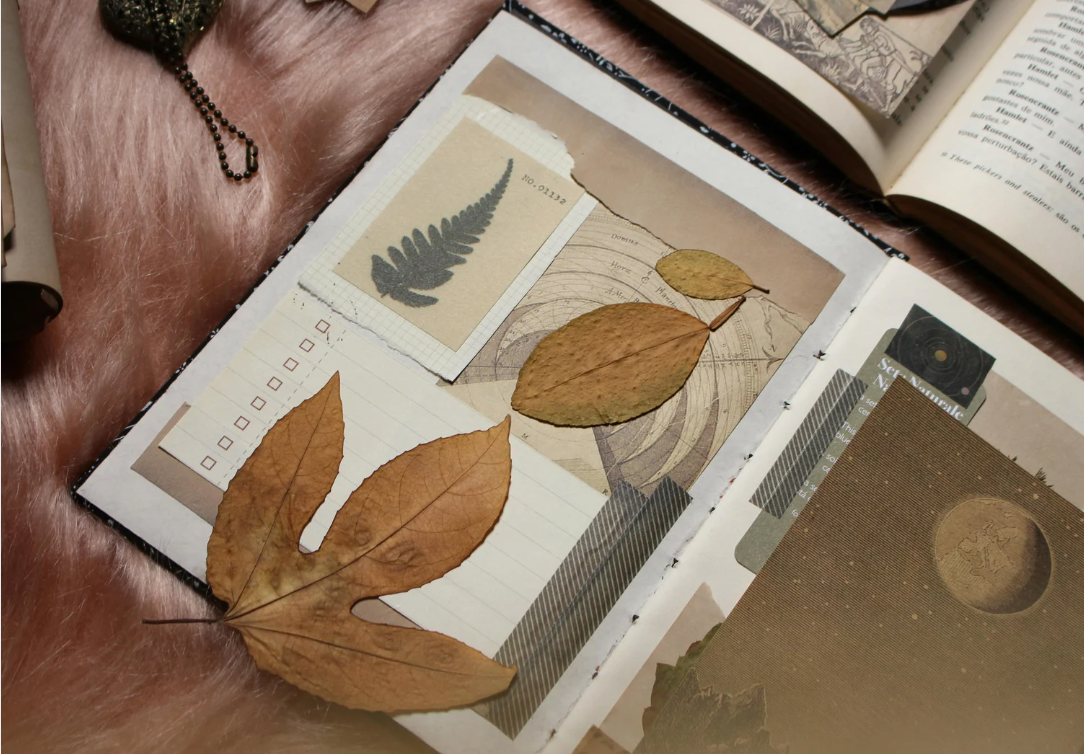
What to Include in a Kid-Friendly Nature Journal
There is no right or wrong way to journal, but here are a few helpful elements:
• Date and location
• Weather notes such as sunny, windy, or temperature
• Sketches without needing art skills
• Labels or captions
• Short descriptions such as one to three sentences
• Questions or wonderings
Encourage both writing and drawing. A child's voice matters just as much as their visual observations.
Suggested Supplies
You do not need much to get started. Just a few basics:
• A blank sketchbook or spiral notebook
• Pencils and erasers
• Colored pencils or crayons
• A clipboard or hardback journal
• Optional items include magnifying glass, field guides, or binoculars
Tip: Keep a nature journaling pouch or basket ready to grab for outdoor days.
Want to make your own? Visit Our Instagram @theweboflife for detailed tutorial
Seasonal Reflections to Inspire Deeper Thinking
Each season brings new life, new patterns, and new questions. Build in reflection points as the seasons change. Use prompts like:
Spring
• What signs of new life do you see
• What plants are blooming
• What animals or insects have returned
Summer
• What colors or sounds dominate the landscape
• How do animals behave during the heat
• What do you notice about water in nature
Fall
• What is changing
• How do plants and animals prepare for winter
• What smells or textures do you associate with fall
Winter
• What is still growing
• What is missing or dormant
• How does the sky look different
Make It a Habit, Not a Task
Nature journaling works best when it feels like a habit rather than a school assignment. Set aside one morning a week or tie it to a daily walk. Keep journals handy during hikes, vacations, or relaxed backyard afternoons. Over time, your child will build a beautiful record of growth, both theirs and nature’s
You do not have to be a naturalist or an artist to lead your child into nature journaling. You just need to show up with them, be willing to notice, and give them space to explore. Trust that the small act of paying attention will grow big skills including observation, reflection, patience, and care for the world around them.
Let the journal be a place where learning is alive, seasonal, and rooted in real experiences.