
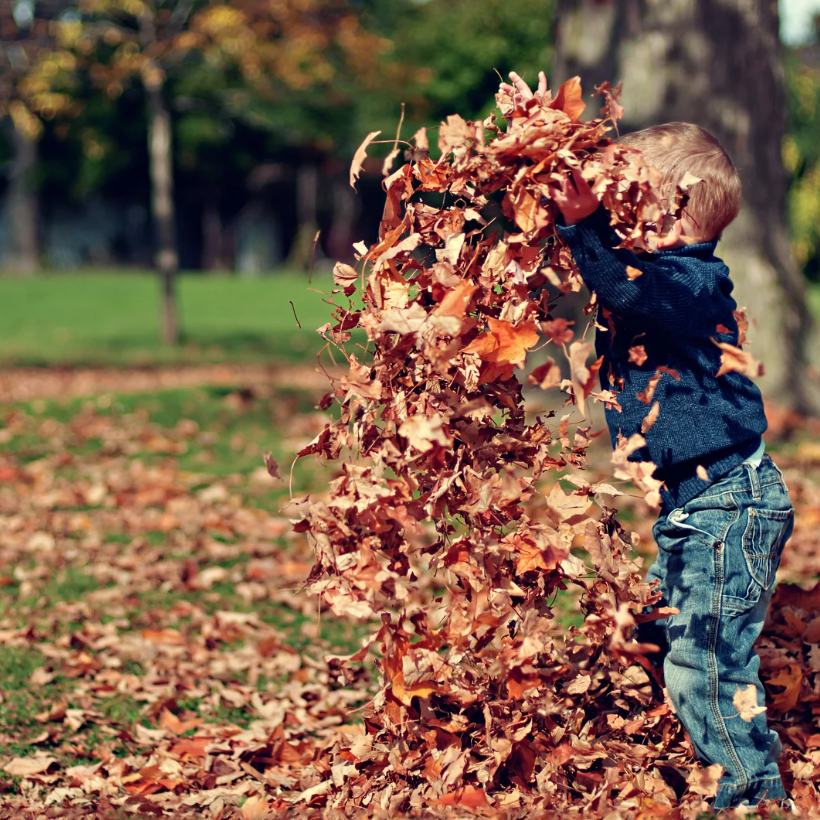
Thanksgiving is often filled with delicious meals, family traditions, and time spent together. But it can also be a wonderful opportunity to slow down, step outside, and help children discover that gratitude grows best when we take time to notice the world around us.
At The Web of Life, we believe nature is one of the greatest teachers. Every colorful leaf, fallen acorn, pinecone, and feather reminds us that each season has its own gifts. This Thanksgiving, invite your family to celebrate with a simple craft that combines outdoor adventure, creativity, and heartfelt reflection.
Why Celebrate Thanksgiving Outdoors?
Autumn is one of the richest seasons for nature exploration. Trees are shedding their leaves, seeds are preparing for winter, and forests, parks, and backyards are filled with beautiful natural treasures waiting to be discovered.
As children gather materials for a craft, they practice observation, strengthen fine motor skills, and learn to appreciate the beauty of the changing seasons. They also begin to recognize that gratitude isn't only about receiving—it's about noticing.
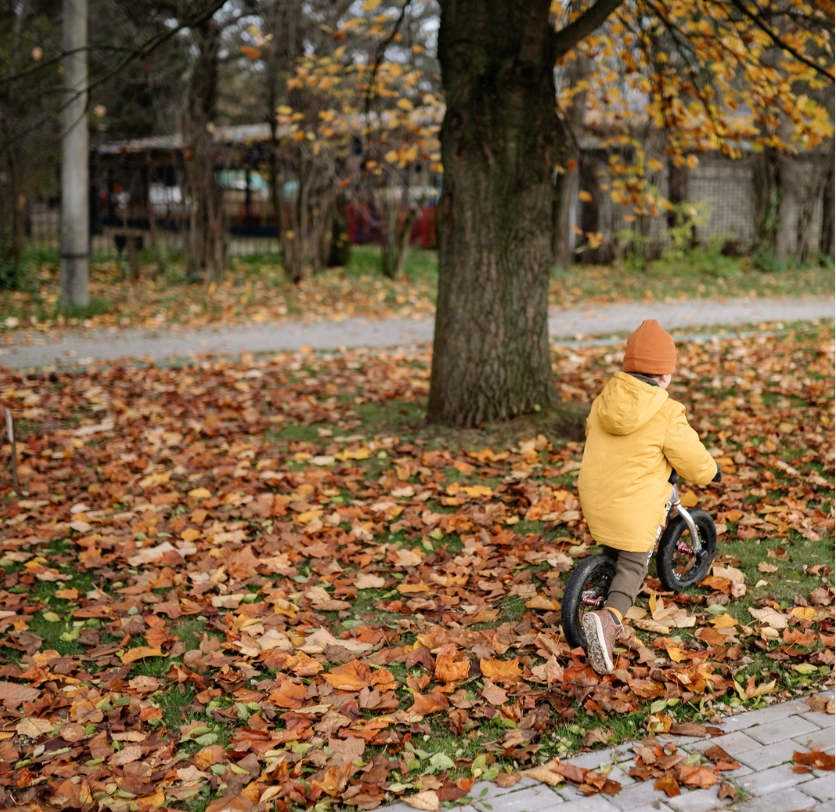
Nature Craft: Thanksgiving Gratitude Tree
This simple project is perfect for children of all ages and can become a meaningful family tradition each Thanksgiving.
Supplies
Small branches or twigs
A sturdy vase, mason jar, or flower pot
Sand, rocks, or soil to hold the branches upright
Fallen leaves (different colors and sizes)
Pinecones
Acorns
Seed pods
Twine or ribbon
Hole punch (optional)
Paper tags or cardstock leaves (if natural leaves are too fragile)
Markers or pens
Step 1: Go on a Nature Treasure Hunt
Take a walk through your backyard, neighborhood, or a local park.
Invite your children to collect only items that have already fallen to the ground, such as:
Colorful leaves
Pinecones
Acorns
Interesting twigs
Seed pods
Dried grasses
As you explore, ask:
What colors do you see today?
Which leaf is your favorite?
What signs tell us that autumn is here?
Step 2: Build Your Gratitude Tree
Place several branches into your vase or container and secure them with rocks, sand, or soil until they stand upright like a small tree.
Step 3: Add Your Thankful Leaves
On each leaf or paper tag, write something you're thankful for.
You might write:
My family
Friends
Clean water
Birds
Trees
Kind neighbors
Pets
Sunshine
Gardens
Fresh air
Time together
Younger children can draw pictures instead of writing words.
Punch a small hole in each leaf and tie it to the branches with twine, or gently tuck natural leaves into the branches.
Watch your Gratitude Tree grow fuller as every family member adds more thankful thoughts throughout the Thanksgiving season.
Extend the Learning
Take your gratitude beyond the craft with these simple family activities:
Gratitude Nature Walk
Walk quietly together and challenge everyone to find five things in nature they're thankful for.
Maybe it's the warmth of the sun, the smell of pine needles, the sound of birds, or the colorful leaves beneath your feet.
Thankfulness Journal
After your walk, invite children to draw one thing they noticed and write a sentence about why it makes them feel grateful.
Share Around the Table
During Thanksgiving dinner, let each family member choose one leaf from the Gratitude Tree and explain why they wrote it.
It's a beautiful way to celebrate both nature and one another.
Conversation Starters
What is something in nature that helps us every day?
Why are trees important to people and animals?
How do plants and animals prepare for winter?
What is one act of kindness you can do to care for the Earth?
These questions help children see that gratitude can inspire stewardship. When we appreciate the natural world, we're more likely to care for it.
A Thanksgiving Tradition Rooted in Nature
The holidays don't have to be filled with expensive decorations or busy schedules to be meaningful.
Sometimes the simplest traditions become the ones children remember most.
A walk through crunchy leaves.
Tiny hands collecting acorns.
A branch transformed into a tree of gratitude.
Moments spent together, noticing the gifts that have been there all along.