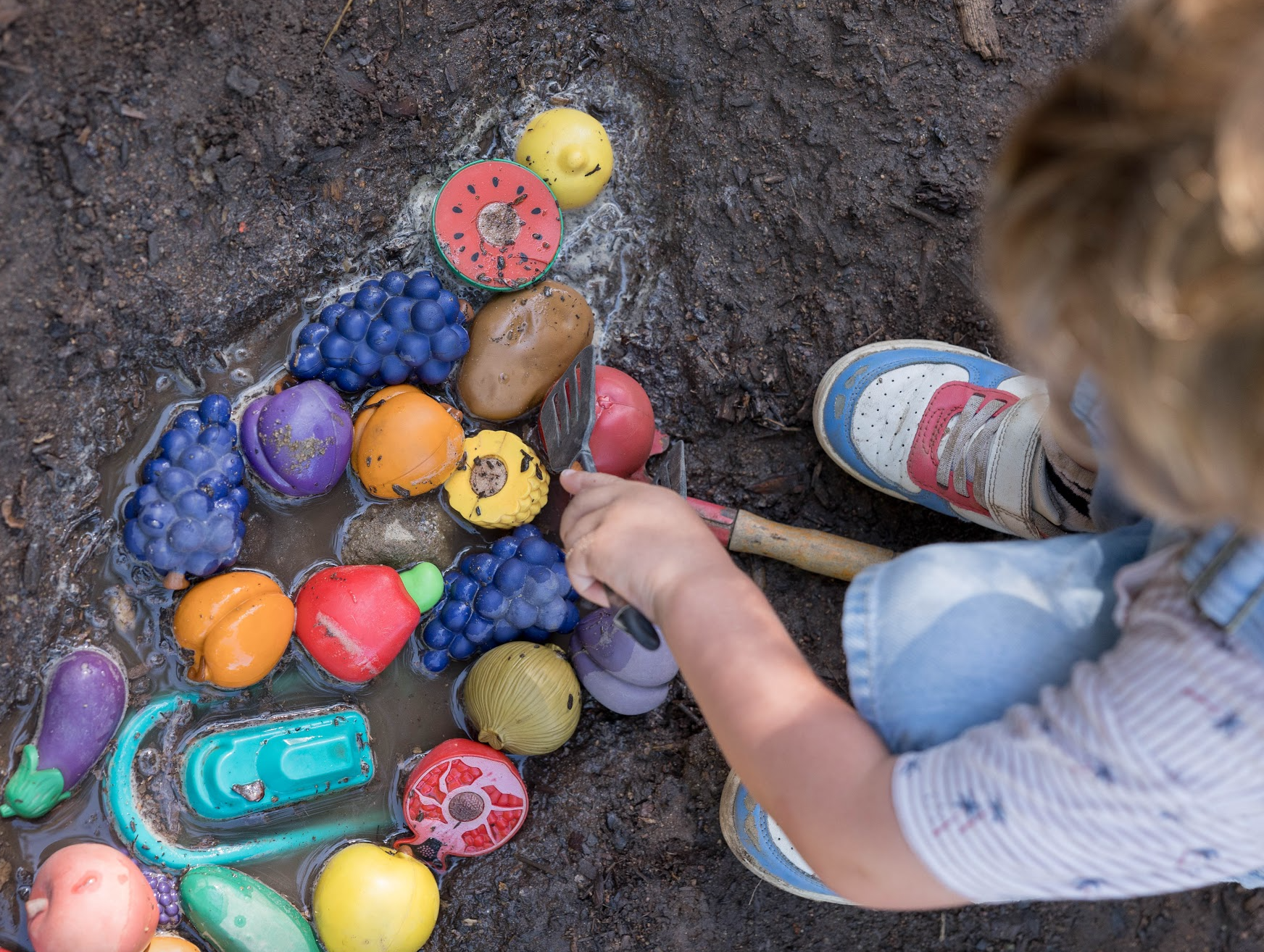
Mud has a special kind of magic.
To an adult, it may look like a mess. To a child, mud is soup, paint, treasure, medicine, cake batter, river water, mountain clay, dinosaur land, and garden work all at once.
At The Web of Life, we believe mud play is more than getting dirty. It is hands-on science, sensory learning, creativity, movement, problem-solving, and deep connection with the earth.
And the best part? Children do not need a fancy playground to experience it. A small outdoor corner, a little water, some soil, and permission to explore can become an entire world.
Why Mud Play Is Important for Children
Mud invites children to learn with their whole bodies.
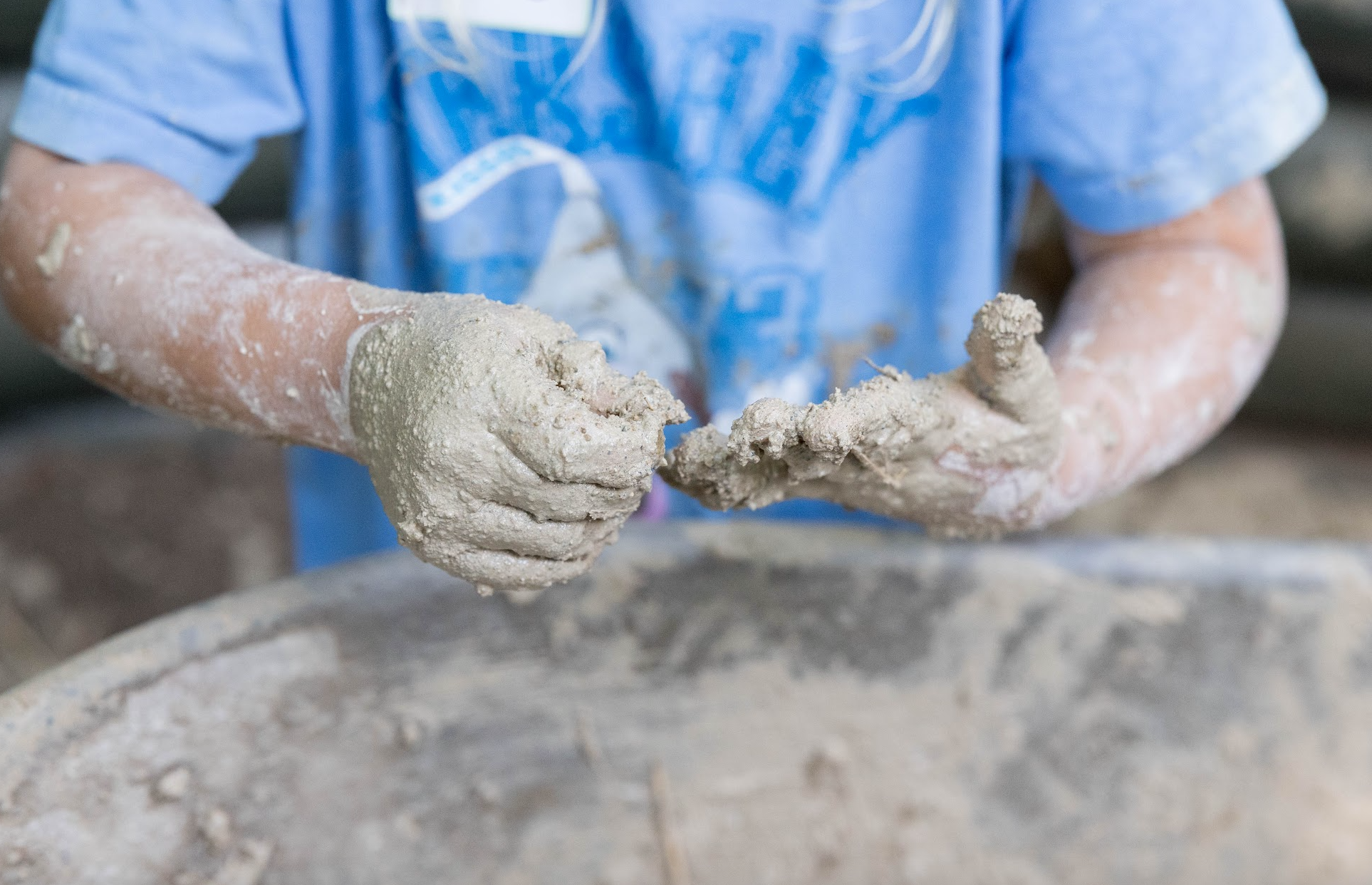
When children scoop, pour, stir, pat, squeeze, dig, and build with mud, they are strengthening fine motor skills, practicing coordination, and experimenting with cause and effect. They discover what happens when dry soil meets water. They notice how mud changes when it becomes wetter, thicker, smoother, colder, or crumbly.
This is early science in its most natural form.
Research on unstructured nature play has found positive impacts on children’s physical activity and cognitive play behaviors, especially imaginative and dramatic play. Mud offers exactly this kind of open-ended experience: there is no single “right” way to use it. A child gets to invent, test, revise, and begin again.
Mud Supports Sensory Learning
Mud is rich with texture, temperature, smell, weight, and movement.
Some children love to sink their fingers right in. Others may begin more cautiously with a spoon, stick, shovel, or cup. Both are meaningful.
Sensory play helps children explore the world through direct experience. With mud, children can compare rough and smooth, wet and dry, heavy and light, sticky and slippery. These simple discoveries build language, body awareness, observation skills, and confidence.
Mud Connects Children to the Living World
Soil is not just “dirt.” It is part of a living ecosystem filled with minerals, decomposing leaves, roots, insects, fungi, and tiny organisms we cannot see.
A 2020 study in Science Advances found that adding biodiverse natural materials such as forest floor, sod, and garden spaces to daycare yards changed children’s skin and gut microbiota and was associated with improved markers of immune regulation after 28 days. This does not mean mud is medicine, but it does remind us that children’s bodies are designed to be in relationship with the natural world.
How to Create a Simple Mud Play Space
You can create a mud kitchen or mud corner with very little.
Choose a spot that can safely get messy: a garden edge, shady backyard corner, large bin, old sandbox, or patch of soil.
What You’ll Need
Soil or clean garden dirt
Water source, such as a watering can or bucket
Old bowls, muffin tins, cups, spoons, pots, or pans
Sticks, leaves, stones, flowers, pinecones, or seed pods
A low table, stump, crate, or flat board
Towels and a handwashing station nearby
You do not need to buy anything new. Old kitchen tools often become the best outdoor learning materials.
Safety Tips for Mud Play
Choose soil from a safe area away from pet waste, pesticides, roadsides, treated wood, or unknown chemicals. Supervise children, especially younger ones, and remind them that mud is for hands, tools, and imagination—not for eating.
After play, wash hands well with soap and water.
A little mess is healthy. Unsafe soil is not.
A Hands-On Activity: Mud Kitchen Nature Café
Invite your child to open a pretend outdoor café.
They can make:
Mud pies
Leaf soup
Pebble stew
Flower petal tea
Stick bread
Acorn cupcakes
As they play, gently ask:
“What happens when you add more water?”
“How can you make it thicker?”
“What texture does your mud pie need?”
“What natural decorations can you find?”
“What would an ant, bird, or beetle order from your café?”
These playful questions help children practice observation, measurement, problem-solving, storytelling, and early scientific thinking.
Simple Ways to Extend the Learning
After mud play, invite your child to notice more closely.
They can:
Compare dry soil and wet soil
Make handprints or leaf prints in mud
Build a tiny river and watch where the water flows
Create mud paintings on rocks, bark, or cardboard
Observe which creatures visit damp soil
Draw their mud kitchen creations in a nature journal
These small activities turn messy play into meaningful outdoor learning.
Mud Teaches Children That Learning Can Be Alive
Mud play reminds children that the earth is not something separate from them. It is something they can touch, shape, smell, study, care for, and wonder about.
It teaches patience when a mud wall falls down.
It teaches creativity when a stick becomes a spoon.
It teaches science when water changes soil.
It teaches stewardship when children begin to notice that the ground beneath their feet is full of life.
So the next time your child asks to play in the mud, consider saying yes.
Put on old clothes. Bring out a bucket. Make space for mess.
Because somewhere between the puddles, pies, and muddy hands, children are doing what they do best: learning through wonder.