
From Garden to Barn: A Hands-On Farm Lesson About How Everything Connects; The Web of Life

What do chickens, celery, sunflowers, and a tray of fresh green grass have in common?
More than you might think.
On a farm, everything is connected. Plants feed people. Plants feed animals. Animals help the land. The garden needs care. And children begin to see that even the smallest jobs — pulling a weed, watering a seed, tasting a pea — are part of something much bigger.
This farm-inspired lesson invites children to explore how plants, animals, food, soil, and people work together. They can grow a tray of grass, help care for a garden, taste fresh vegetables, and plant new seeds for the next round of growth.
You do not need a full farm to explore this lesson. A tray of wheatgrass, a pot of basil, a small garden bed, or even a few seeds on a sunny windowsill can help children begin to understand how food grows and how living things depend on one another.
This activity is a small glimpse into The Web of Life Curriculum, where children learn through gardening, animal care, food, nature, homesteading, and hands-on science.
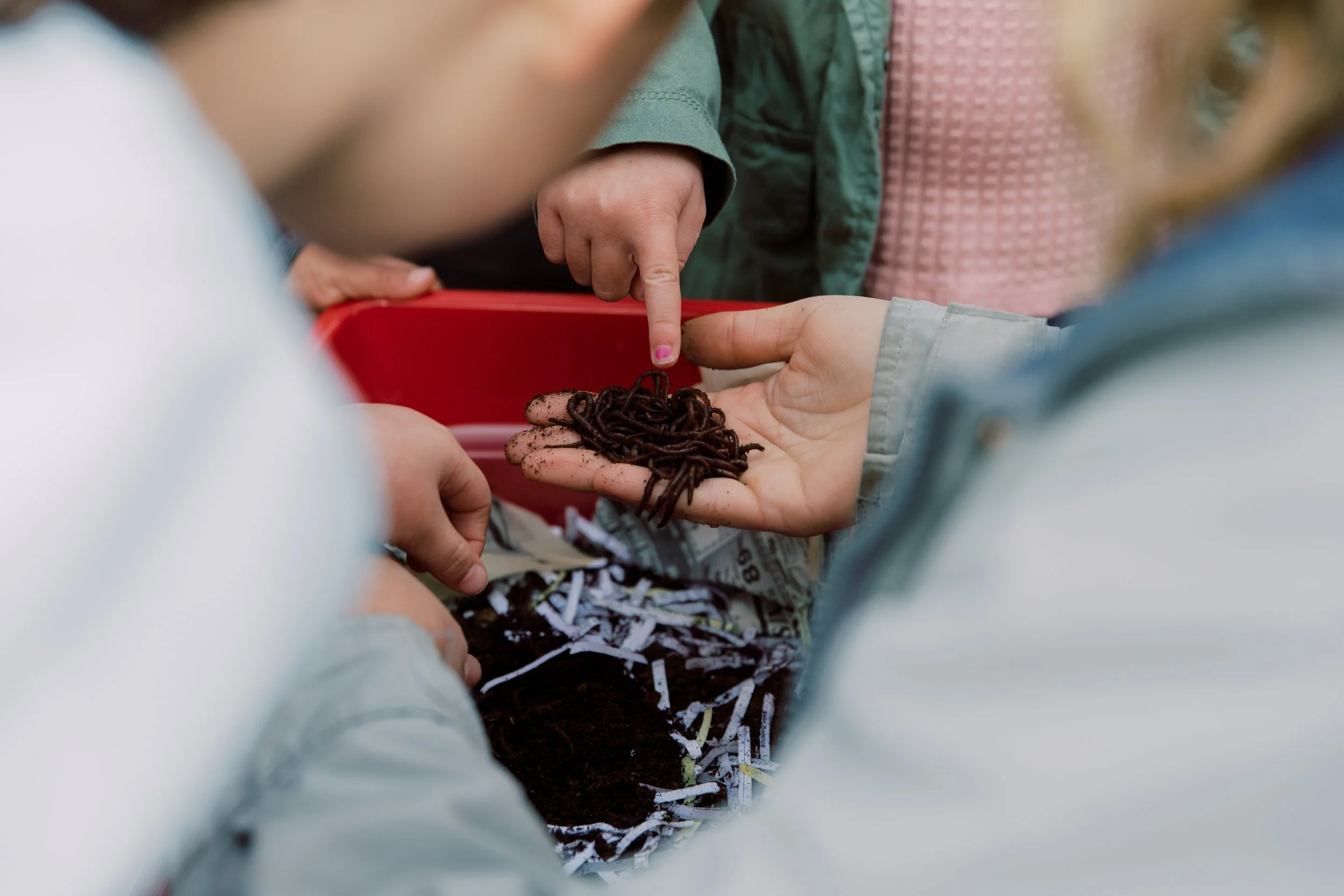
What Kids Learn Through Farm & Garden Work
Life Cycles & Food Webs: Children begin to understand that plants can feed people, animals, insects, and the soil.
Responsibility & Care: Watering, weeding, planting, harvesting, and feeding animals teach children that living things need steady attention.
Plant Science: Children observe seeds sprouting, roots growing, leaves stretching toward light, and crops becoming ready to harvest.
Sensory Learning: Garden work lets children touch soil, smell herbs, taste fresh vegetables, hear animals, and notice textures with their whole bodies.
Nutrition Awareness: Taste testing helps children build a more personal connection with fresh food.
Emotional Growth: Children experience patience, pride, teamwork, and the joy of seeing their efforts become something living and useful.
This is the kind of learning that cannot be fully captured on a worksheet. Children understand it because they touch it, taste it, care for it, and watch it grow.
Bring Farm & Garden Learning Home
A Gentle Animal Care Note
Only feed animals foods that are safe for their species, and always check with a knowledgeable farmer, veterinarian, or trusted animal care guide before offering new foods. Chickens, rabbits, goats, and other animals have different needs.
This is also a wonderful opportunity to teach children that caring for animals means learning what each animal actually needs — not just giving them what we think they might like.
Simple Supplies for a Farm-Inspired Lesson
Choose one or more of these activities depending on your space.
For Growing Grass Trays
Large trays or shallow bins
Wheatgrass or barley seeds
Potting soil or coconut coir
Spray bottle or watering can
Sunny window or outdoor light
For Garden Care
Gloves
Small trowel or spoon
A garden bed, raised bed, container, or pot
Seeds such as basil, sunflower, peas, celery, or herbs
For Taste Testing
Fresh vegetables from the garden, farmers market, or grocery store
Bowl of water for rinsing
Cutting board and knife for adult use
Small bowls or plates for tasting
Inside the full Web of Life Curriculum, families receive guided farm, garden, kitchen, and nature lessons with parent-friendly explanations, age-level questions, and simple extension ideas.
Activity 1: Grow a Tray of Animal Grass
1. Prepare the Tray
Fill a shallow tray with about one inch of potting soil or coconut coir.
Let your child touch the soil and notice how it feels.
Ask:
“What do you think seeds need before they can grow?”
2. Sprinkle the Seeds
Sprinkle wheatgrass or barley seeds generously over the surface. Press them down gently.
You can say:
“These tiny seeds can grow into fresh green grass that some animals may enjoy eating.”
3. Water and Watch
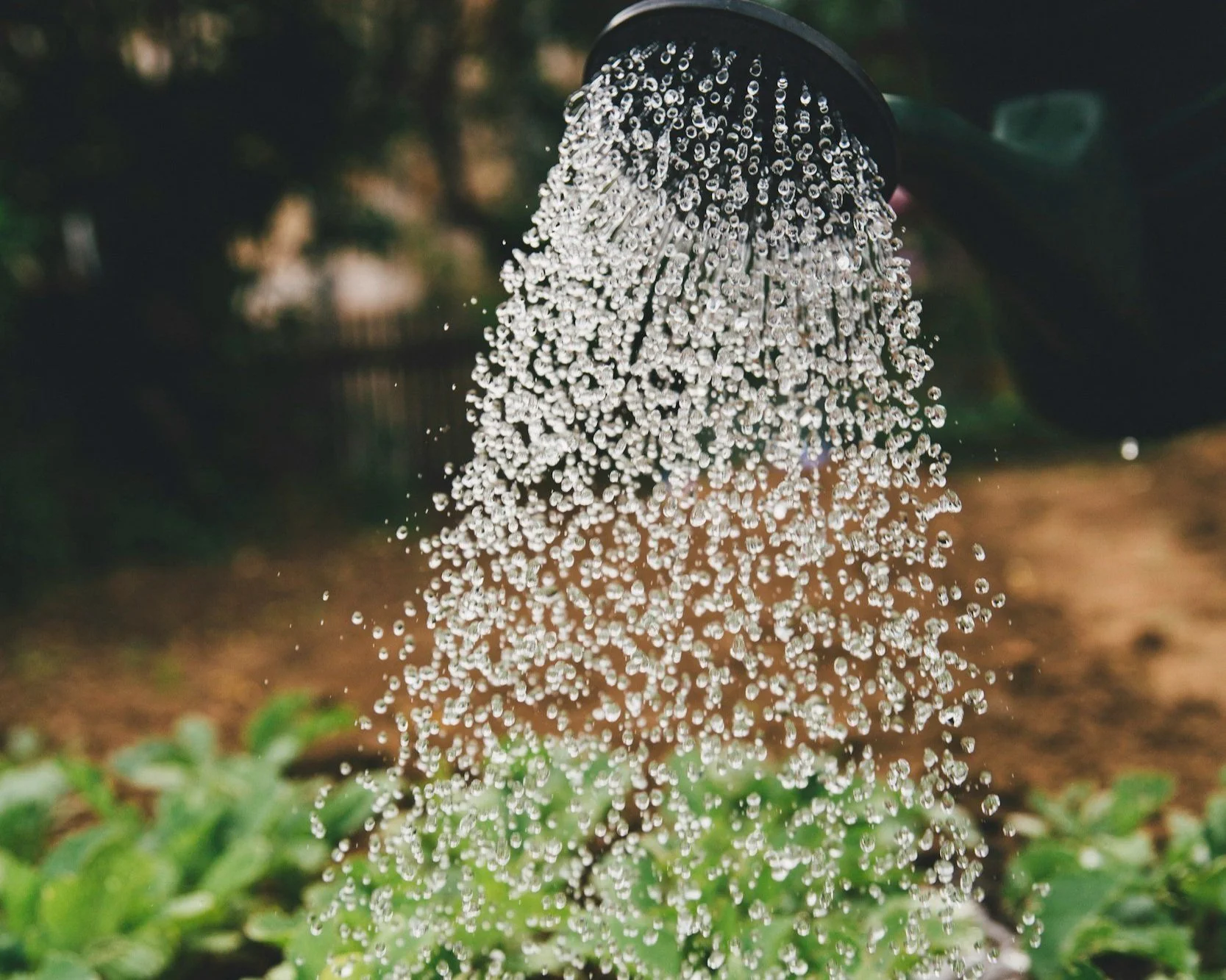
Mist or water gently each day. Place the tray somewhere bright.
Invite your child to check daily:
“Do you see any roots?”
“Do you see any green shoots?”
“How has it changed since yesterday?”
4. Harvest Carefully
In about 7–10 days, the grass may be ready to trim.
Use scissors with adult help and talk about how growing food takes time, care, water, light, and patience.
Activity 2: Weed, Harvest, and Plant
1. Pull Weeds
Show your child how to gently pull weeds from the root so the garden plants have more space, water, and nutrients.
Ask:
“What might happen if weeds take up too much space?”
2. Harvest Something Small
Let your child help pick something ready to eat, such as celery, peas, herbs, or another safe garden crop.
Ask:
“How do you know this is ready to harvest?”
3. Taste the Garden
Wash the harvest and cut it into small pieces.
Invite your child to describe the taste:
“Is it crunchy, sweet, bitter, juicy, earthy, or fresh?”
This turns snack time into observation.
4. Plant New Seeds
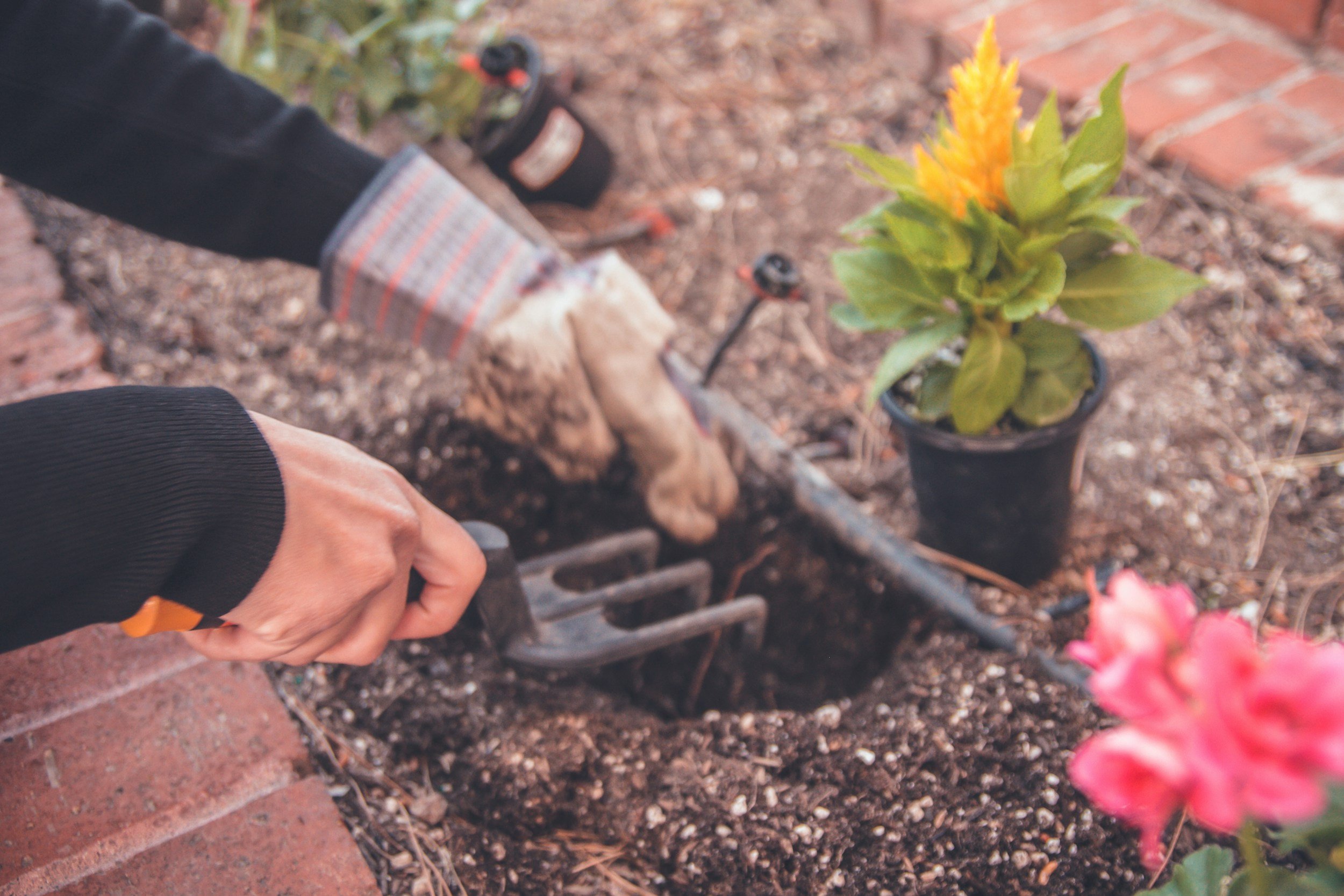
Let your child choose a few seeds to plant, such as basil, sunflowers, peas, or herbs.
Ask:
“What do you think this seed will become?”
This helps children connect planting today with food, flowers, or animal care later.
Conversation Starters & Reflection Questions
“Why do you think we grow food for animals as well as people?”
“What was your favorite vegetable to taste?”
“What happens when we forget to weed or water the garden?”
“How do you feel when you see something you planted growing strong?”
“How do the garden, animals, soil, water, and people work together?”
Simple Answers for Curious Kids
Child asks: “What are grass trays?”
You can say: “Grass trays are shallow containers where we grow fast-growing grasses like wheatgrass or barley. Some animals can eat these grasses as part of their care, depending on what is safe for them.”
Child asks: “Why do we grow food for animals?”
You can say: “Farm animals need food just like we do. Growing food for animals helps us see that plants can nourish many living things.”
Child asks: “Why do we pull weeds?”
You can say: “Weeds can take space, water, sunlight, and nutrients from the plants we are trying to grow. Pulling weeds gives our garden plants more room to thrive.”
Child asks: “Why does fresh food taste different?”
You can say: “Freshly picked food can taste bright and crisp because it has just come from the plant. When we taste it right away, we notice its flavor, texture, and smell more clearly.”
Child asks: “How is everything connected?”
You can say: “The soil helps plants grow. Plants can feed people and animals. Animals can help the farm. People care for the garden and animals. Everything works together like a web.”
Inside The Web of Life Curriculum, parents receive simple explanations like this so you can guide real-life science conversations with confidence.
Parent Guidance by Age
Ages 5–6: Touch, Taste, and Notice
At this age, keep the lesson sensory and simple. Let your child touch soil, sprinkle seeds, mist water, taste vegetables, and notice changes.
Ask: “What do the seeds look like today?”
You can say: “Seeds are tiny, but with water, light, soil, and care, they can begin to grow.”
Ask: “What does the celery or pea taste like?”
You can say: “Tasting helps us observe food. We can notice if it is crunchy, sweet, juicy, or fresh.”
At-home extension: Draw the grass tray or seed on day one, then draw it again after it sprouts.
Ages 7–8: Observe Growth and Responsibility
Children this age are ready to notice cause and effect.
Ask: “What happens when we water the seeds every day?”
You can say: “Water helps seeds begin growing. If they dry out too much, they may not sprout well.”
Ask: “Why do we need to pull weeds?”
You can say: “Weeds compete with garden plants for space, water, sunlight, and nutrients.”
At-home extension: Keep a simple growth chart. Measure the grass each day and write down what changed.
Ages 9–10: Think in Systems
Older children can begin connecting gardens, animals, food, soil, and stewardship.
Ask: “How does the garden help the animals?”
You can say: “Some plants can become food for animals. The garden can support the farm by growing nourishment for more than just people.”
Ask: “How do animals, plants, soil, and people depend on one another?”
You can say: “Plants grow from soil, people and animals eat plants, animals can contribute to farm systems, and people help care for the land. It is all connected.”
At-home extension: Have your child draw a simple farm web showing soil, seeds, plants, animals, people, water, sunlight, and food.
Parent Encouragement: Small Work Matters
Every weed pulled, every seed planted, every bowl of fresh vegetables washed, every little sprout noticed — it all matters.
Your child is learning that food does not simply appear. It grows. It needs care. It takes time. It depends on soil, water, light, pollinators, animals, people, and patience.
You do not need a perfect garden or farming experience to make this meaningful.
A tray of sprouts on the counter can teach responsibility.
A pot of basil can teach plant care.
A taste test at the kitchen table can build curiosity.
A few minutes of weeding can show your child that their work helps living things grow.This is the quiet power of hands-on learning.
Want More Hands-On Farm & Garden Learning?
This farm and garden lesson is just one small glimpse into The Web of Life Curriculum — a hands-on homeschool program for ages 5–10 that brings together gardening, animal care, nature study, kitchen learning, homesteading, science, seasonal crafts, and outdoor exploration.
Each lesson gives your family a simple path to follow so you are not scrambling for ideas or wondering how to explain the learning. Web of Life helps children see the connections between soil, food, animals, people, and the natural world.
You do not need a farm.
You do not need a perfect garden.
You do not need to be an expert.
You just need a curious child, simple materials, and a little guidance.