
Secret-Ingredient Brownies: A Sweet Kitchen Science Lesson for Kids
What if a batch of brownies could become a science experiment, a nutrition conversation, and a sweet family memory all at once?
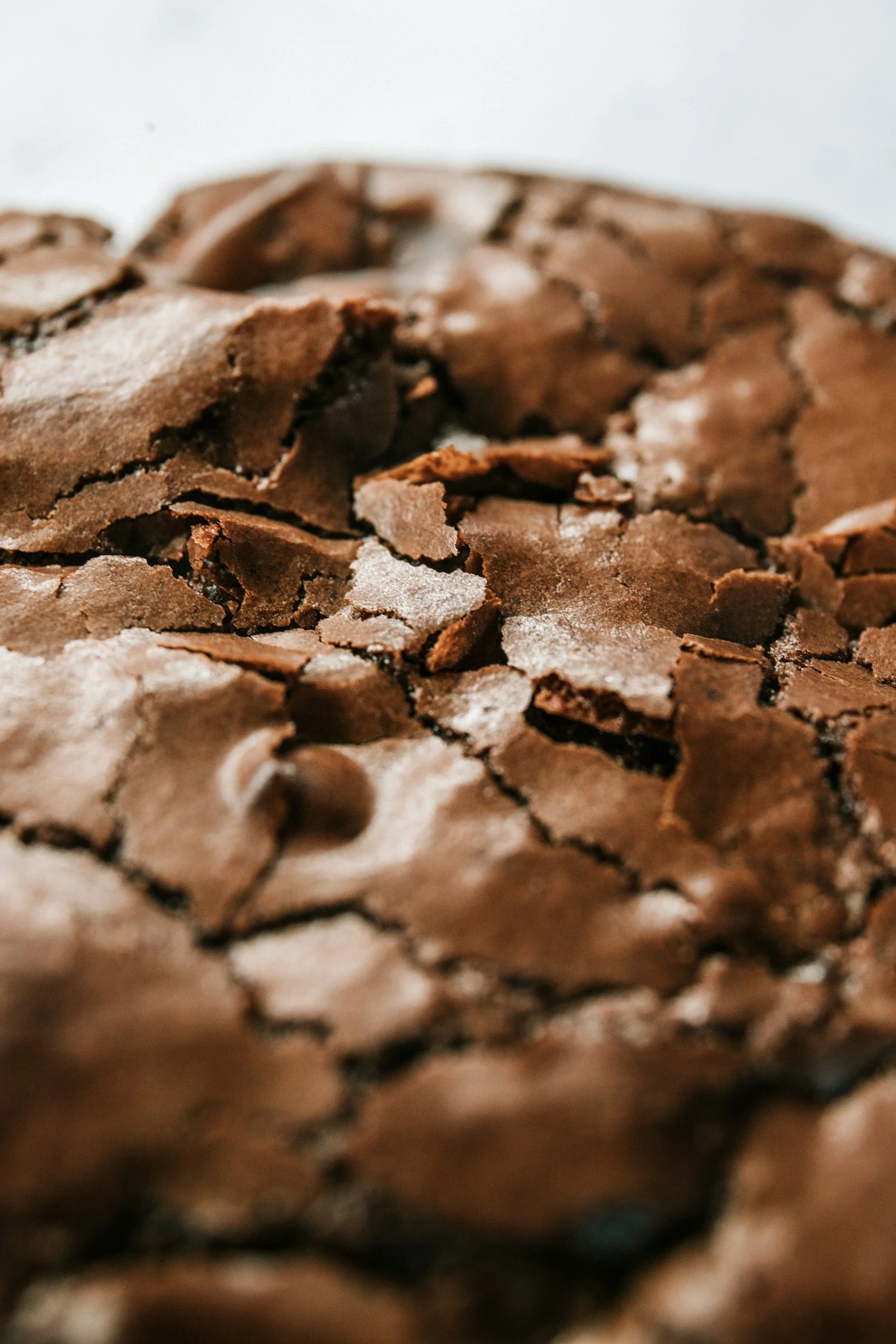
These secret-ingredient brownies invite children into the kitchen to measure, blend, bake, taste, guess, and wonder. The surprise? Black beans help create a rich, fudgy texture while adding protein, fiber, and nutrients to a favorite chocolate treat.
This is kitchen science at its best: hands-on, delicious, a little surprising, and full of real-life learning.
You do not need to be a chef to lead this lesson. You do not need a perfect kitchen or perfect brownies. The learning happens in the measuring, mixing, tasting, guessing, and talking together.
This brownie lesson is a small glimpse into The Web of Life Curriculum, where children learn through nature, gardening, kitchen projects, homesteading, science, and seasonal hands-on discovery.
Explore The Web of Life Curriculum
What Kids Learn Through Kitchen Science
Nutrition Awareness: Children begin to see that nourishing ingredients can show up in surprising, delicious ways.
Kitchen Chemistry: Baking introduces mixing, measuring, heat, texture changes, moisture, and ingredient substitutions.
Critical Thinking: The secret ingredient challenge encourages children to taste, observe, compare, guess, and explain their thinking.
Math Skills: Measuring cups, fractions, temperature, time, and recipe steps bring practical math into real life.
Confidence & Independence: Children feel proud when they help create something the family can eat and enjoy.
Family Connection: Cooking together creates conversation, teamwork, laughter, and shared memories.
This is the kind of learning that feeds both the body and the mind. Children are not just following a recipe — they are practicing science, math, observation, nutrition, and confidence in one joyful kitchen experience.
A Gentle Kitchen Safety Note
This recipe uses a blender or food processor and a hot oven, so adult supervision is needed. Let children help with measuring, pouring, rinsing beans, stirring, taste-testing, and guessing the mystery ingredient while adults handle hot pans and sharp or powered tools.
Ingredients for Secret-Ingredient Brownies
1 can, 15 oz, black beans, rinsed and drained
2 eggs
1/3 cup coconut oil or melted butter
1/4 cup cocoa powder
2/3 cup sugar or maple syrup
1 teaspoon vanilla extract
1/2 teaspoon baking powder
1/2 teaspoon salt
Optional: 1/2 cup chocolate chips or chopped nuts
For nut allergies, skip the chopped nuts and use chocolate chips or leave the add-ins out entirely.
Kitchen Tools
Food processor or blender
Mixing bowl
Spatula
8x8 baking pan
Nonstick spray or parchment paper
Oven
Inside the full Web of Life Curriculum, families receive guided kitchen lessons, parent-friendly explanations, conversation prompts, science connections, and seasonal recipes that help children learn through real food.

How to Make Secret-Ingredient Brownies
1. Preheat and Prepare
Preheat the oven to 350°F. Grease an 8x8 baking pan or line it with parchment paper.
Ask:
“Why do you think the oven needs to heat up before the brownies go in?”
2. Rinse the Beans
Rinse and drain the black beans well.
Let your child look, smell, and feel them before blending.
Ask:
“Do these look like something that belongs in brownies?”
This makes the surprise more memorable.
3. Blend the Batter
Add the black beans, eggs, oil or melted butter, cocoa powder, sugar or maple syrup, vanilla, baking powder, and salt to a blender or food processor.
Blend until smooth.
Ask:
“What is happening to the beans as they blend into the batter?”
4. Stir in Extras
Pour the batter into a bowl and stir in chocolate chips or nuts, if using.
Ask:
“How do you think chocolate chips will change the taste or texture?”
5. Bake and Observe
Spread the batter into the pan and bake for 20–25 minutes, or until the center is set.
While it bakes, notice:
How the smell changes
How the batter becomes firmer
How heat changes wet ingredients into a baked treat
6. Cool, Slice, and Guess
Let the brownies cool before slicing.
Then ask:
“Can you guess the mystery ingredient?”
Let your child taste, guess, laugh, and be surprised.
Simple Answers for Curious Kids
Child asks: “Why black beans in brownies?”
You can say: “Black beans help make the brownies soft and fudgy. They also add protein, fiber, and nutrients, even though the brownies still taste chocolatey.”
Child asks: “Why did we use beans instead of flour?”
You can say: “Beans can help hold the batter together and give it texture. This shows us that recipes can change when we use different ingredients.”
Child asks: “Is baking science?”
You can say: “Yes. Baking is kitchen chemistry. We mix ingredients, add heat, and watch them change into something new.”
Child asks: “Why does the brownie get firm in the oven?”
You can say: “Heat changes the ingredients. The eggs, beans, cocoa, and other ingredients set together as they bake, so the batter turns into brownies.”
Child asks: “Are these healthy?”
You can say: “They are still a sweet treat, but the black beans add some helpful nutrients like protein and fiber. That makes them a fun way to talk about balance.”
Inside The Web of Life Curriculum, parents receive simple explanations like this so kitchen learning feels easy to guide, even when science topics come up naturally.
Parent Guidance by Age
Ages 5–6: Mix, Smell, Taste, and Guess
At this age, keep the lesson sensory and simple. Let your child help rinse beans, pour ingredients, smell cocoa, stir add-ins, and guess the secret ingredient.
Ask: “What do you smell?”
You can say: “Cocoa has a strong chocolate smell. Smelling is one way we observe food before tasting it.”
Ask: “What changed when we blended the beans?”
You can say: “The beans turned from whole beans into a smooth batter.”
At-home extension: Let your child draw the ingredients before and after blending.
Ages 7–8: Measure, Compare, and Observe
Children this age are ready to connect cooking with math and science.
Ask: “What would happen if we forgot the baking powder?”
You can say: “Baking powder helps baked goods rise or become lighter. Without it, the texture may be denser.”
Ask: “Why do we measure ingredients?”
You can say: “Recipes use careful amounts so the texture and taste come out the way we expect.”
At-home extension: Have your child compare the texture of whole beans, blended batter, and baked brownies.
Ages 9–10: Think Like a Kitchen Scientist
Older children can begin thinking about substitutions, nutrition, texture, and recipe testing.
Ask: “How did black beans change the recipe?”
You can say: “The beans added moisture, structure, and nutrients. They also replaced some ingredients that might usually be used in brownies.”
Ask: “How could we test this recipe again?”
You can say: “Kitchen scientists change one thing at a time. We might try maple syrup instead of sugar, butter instead of coconut oil, or no chocolate chips, then compare the results.”
At-home extension: Invite your child to create a recipe testing chart: ingredient change, prediction, result, taste, texture, and what they would try next.
Parent Encouragement: Let the Kitchen Be a Classroom
Your brownies do not need to look bakery-perfect. The batter may splatter, the counter may get cocoa dust on it, and your child may guess the secret ingredient completely wrong.
That is all part of the memory.
Cooking with children teaches more than recipes. It teaches sequencing, patience, measuring, observation, flexibility, cleanup, teamwork, and joy.
When you invite your child into the kitchen, you are not just making dessert. You are helping them feel capable in a real-life skill.
Ready for More Kitchen Adventures?
This secret-ingredient brownie lesson is just one small glimpse into The Web of Life Curriculum — a hands-on homeschool program for ages 5–10 that brings together kitchen science, gardening, nature study, homesteading, seasonal crafts, and outdoor exploration.
Each lesson gives your family a simple path to follow so you are not scrambling for ideas or wondering how to turn everyday moments into meaningful learning. From garden-to-kitchen recipes to nature-based science and homestead skills, Web of Life helps children learn through real life.
You do not need to be a chef.
You do not need to be a science expert.
You do not need a perfect homeschool plan.
You just need a curious child, simple ingredients, and a little guidance.
Ready to feed your child’s curiosity?