How to Build Observation Skills in Children Through Nature Exploration
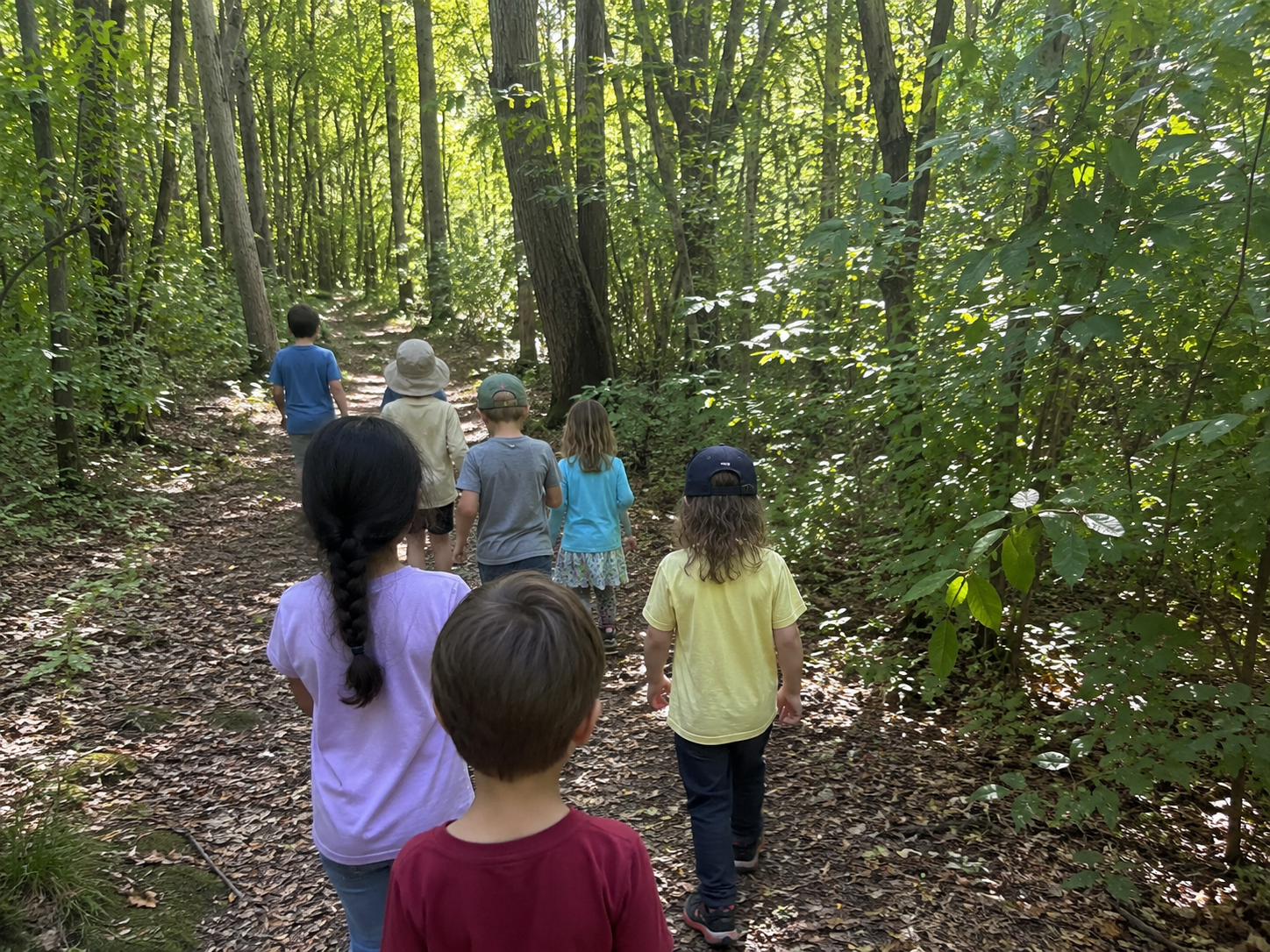
Children are naturally curious. They notice tiny insects crossing a sidewalk, unusual cloud shapes drifting overhead, and the first flower blooming after winter. These everyday moments are more than simple discoveries—they are the beginning of scientific thinking.
At The Web of Life, we believe that observation is one of the most valuable skills a child can develop. Before children can ask meaningful questions, solve problems, or understand how the natural world works, they first learn to truly notice.
The wonderful part? Observation doesn't require expensive supplies or perfectly planned lessons. It begins by slowing down and spending time outdoors together.
Why Observation Matters
Observation is the foundation of science. Every scientist, naturalist, gardener, and explorer begins by paying close attention.
When children regularly observe nature, they learn to:
Notice patterns and changes over time
Ask thoughtful questions
Build patience and focus
Develop critical thinking skills
Strengthen memory and attention to detail
Gain confidence in making their own discoveries
Rather than rushing to find the "right answer," children learn that asking good questions is just as important as knowing the answer.
Turning an Ordinary Walk into a Learning Adventure
A walk around the neighborhood or local park becomes a rich learning experience when children are encouraged to observe with intention.
Instead of pointing everything out, invite your child to become the discoverer.
You might ask:
What do you notice first?
What surprised you today?
Can you find something that has changed since last week?
Which plants are growing in the sun? Which prefer shade?
What sounds can you hear if you stay completely quiet for one minute?
These simple questions encourage children to look more carefully and think more deeply about the world around them.
Observation Builds Scientific Thinking
Science begins with curiosity.
When children notice that one flower attracts bees while another does not, or that birds appear at different times of day, they naturally begin forming questions.
Those questions become investigations.
Those investigations become understanding.
This process helps children think like scientists without feeling like they're doing formal science lessons.
Make It a Habit
Observation grows stronger with practice.
Choose one outdoor spot to visit regularly—a favorite tree, a garden bed, a nearby trail, or even a small patch of grass.
Returning to the same place allows children to notice seasonal changes, animal activity, weather patterns, and plant growth that would otherwise go unnoticed.
Over time, children begin recognizing that nature is always changing, even when it seems still.
Encourage Curiosity Instead of Perfection
One of the greatest gifts we can give children is permission to wonder.
Not every question needs an immediate answer.
Sometimes the best response is:
"I wonder too. Let's keep watching."
This teaches children that learning is an ongoing journey and that curiosity is something to celebrate.
Easy Observation Activities to Try This Week
You don't need elaborate lesson plans to strengthen observation skills.
Try one of these simple activities:
Sit quietly outdoors for five minutes and list everything you hear.
Compare two different leaves using only descriptive words.
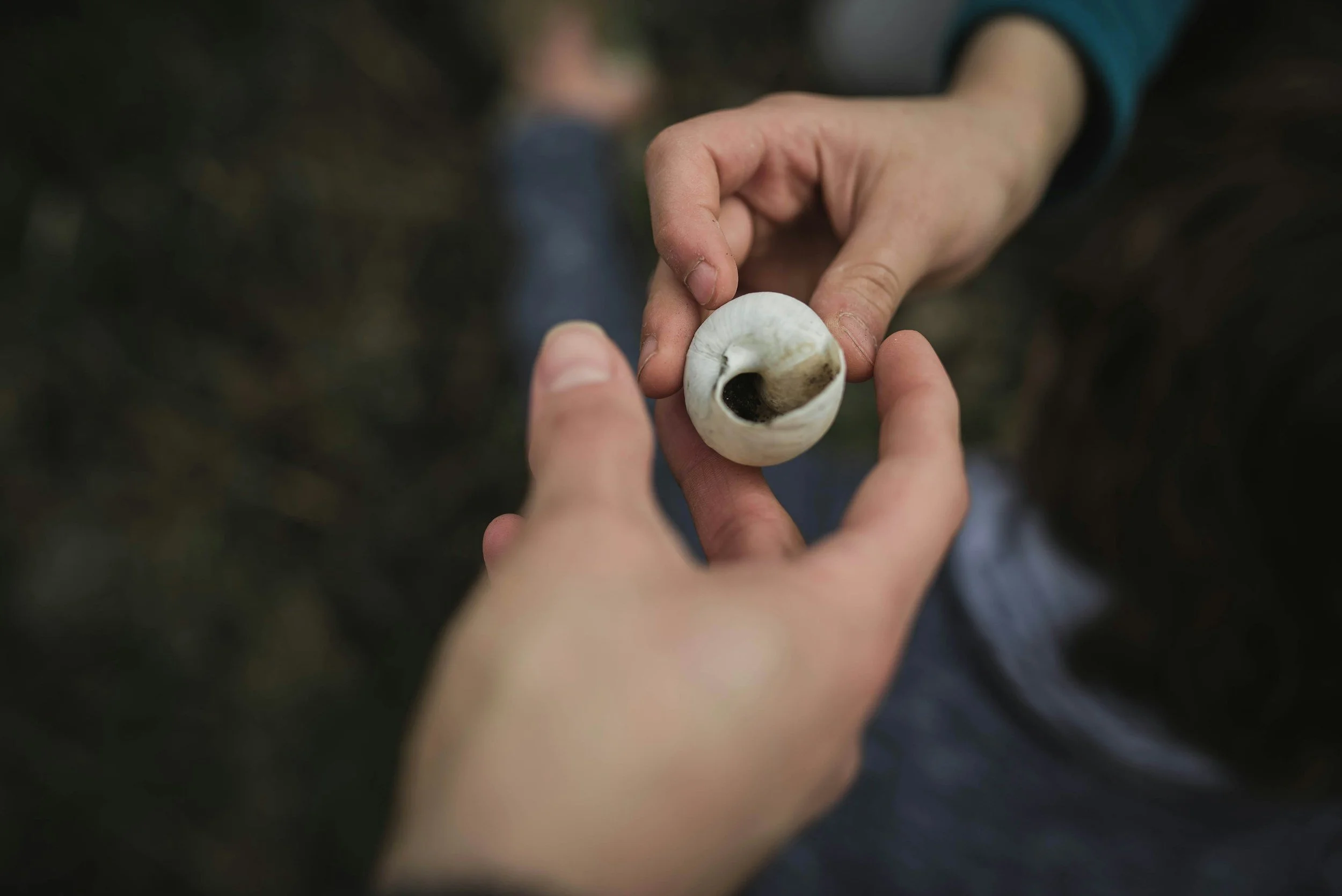
Watch one insect for several minutes and describe its behavior.
Visit the same tree each week and notice what changes.
Keep a simple nature journal with drawings, notes, or questions.
Each activity helps children slow down, notice details, and build confidence in their own observations.
Growing Lifelong Learners
Observation is about much more than preparing children for science.
It teaches mindfulness, patience, resilience, and appreciation for the living world.
When children learn to pay attention, they begin seeing beauty in ordinary places. They discover that every season tells a story, every garden has something to teach, and every outdoor adventure offers new opportunities for learning.
At The Web of Life, we encourage families to step outside, ask questions together, and embrace the joy of discovering the natural world one observation at a time. Some of the most meaningful lessons don't begin in a classroom—they begin with a child who simply stops to wonder.