
Sparkle & Science: A Shiny Penny Chemistry Experiment for Kids
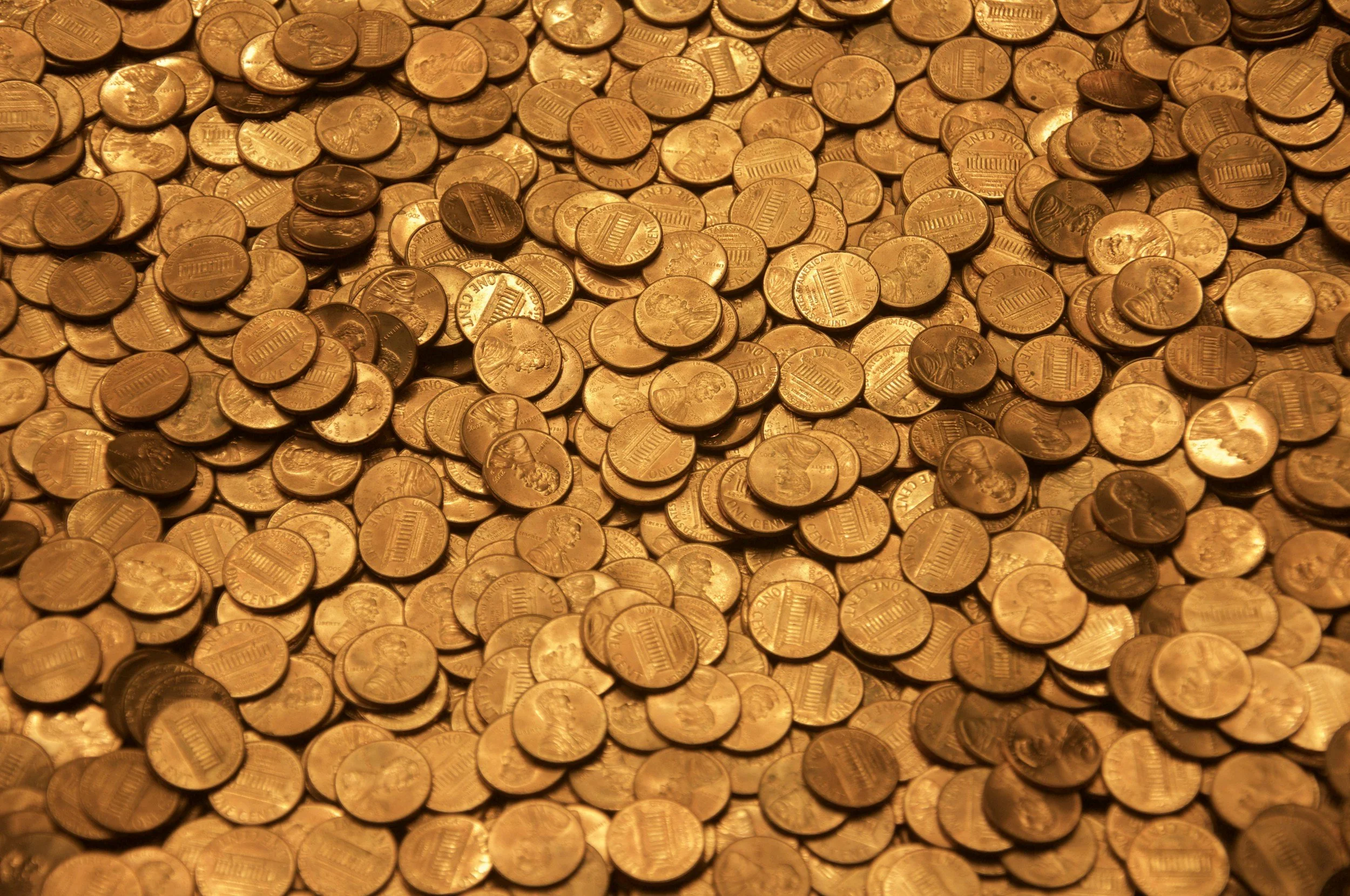
Bring the shine back — one penny at a time.
There is something almost magical about watching a dull, worn penny turn bright again. But this little transformation is not magic at all. It is chemistry.
With a splash of vinegar, a sprinkle of salt, and a handful of old pennies, children can see a real chemical reaction happen right in front of them. This simple experiment introduces oxidation, acids, observation, cause and effect, and the beautiful idea that science is often hiding in ordinary things.
You do not need a fancy lab or expensive supplies to teach meaningful science. Sometimes all it takes is a small bowl, a few coins, and a child willing to wonder.
This penny-cleaning experiment is a small glimpse into The Web of Life Curriculum, where nature, science, faith, kitchen learning, homesteading, and hands-on discovery come together in simple lessons families can enjoy at home.
Explore The Web of Life Curriculum
A Gentle Science Safety Note
This experiment uses vinegar, salt, and small coins, so adult supervision is important.
Remind children not to taste the solution, touch their eyes, or put coins in their mouths. Wash hands after the experiment. Pennies are not food-safe, so use a separate bowl for science activities instead of one you use for eating.
If you choose to let children handle the pennies, have paper towels nearby and encourage careful, slow observation.
What Kids Learn Through Shiny Penny Chemistry
Intro to Chemistry: Children see a simple chemical change as the dull layer on the penny begins to break down.
Observation Skills: Kids compare pennies before, during, and after the experiment.
Cause & Effect Thinking: Children notice that vinegar and salt work together to create a visible change.
Scientific Curiosity: This activity invites children to ask, “Why did that happen?” and “What else could we test?”
Faith & Wonder: The experiment can become a gentle reminder that transformation is possible, even when something looks worn or dull.
Confidence in Science: Simple experiments help children feel like capable young scientists.
This is the kind of science that feels approachable because children can see it, touch it, compare it, and talk about it.
Button: Bring Hands-On Science Home
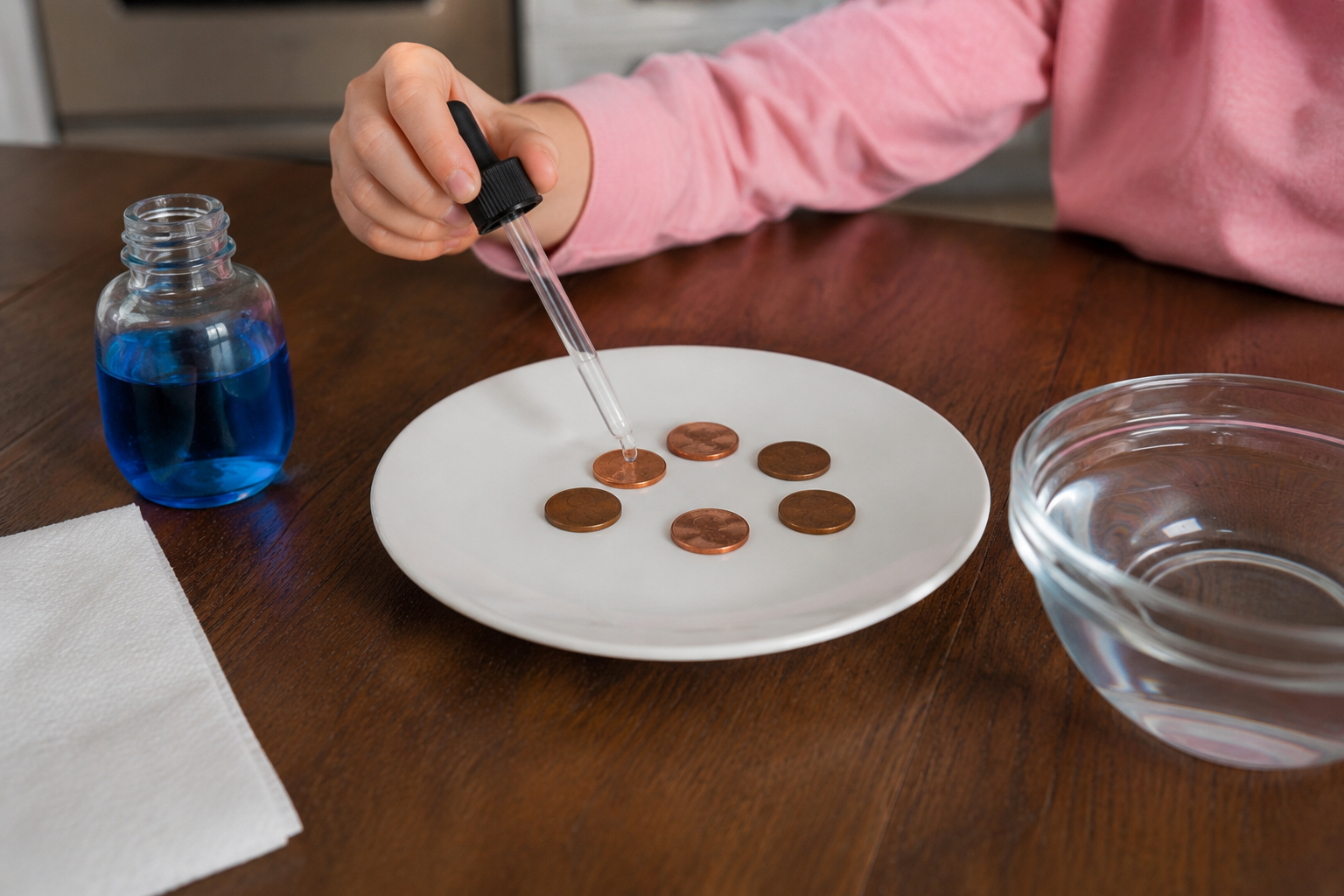
Simple Supplies for Shiny Penny Chemistry
You only need a few household items:
5–10 dull pennies
1/4 cup white vinegar
1 teaspoon salt
Small bowl or cup
Paper towels
Optional second cup of clean water for rinsing
Optional notebook or paper for recording observations
Inside the full Web of Life Curriculum, families receive guided hands-on lessons, parent-friendly explanations, age-level questions, faith connections, and simple activities that help science feel doable.
How to Clean Pennies With Salt and Vinegar
1. Observe the Pennies First
Before mixing anything, invite your child to look closely at the pennies.
Ask:
“What do you notice about these pennies?”
“Are they shiny, dull, brown, greenish, smooth, or rough?”
You can even have your child draw one penny before the experiment begins.
2. Mix the Solution
In a small bowl, stir 1 teaspoon of salt into 1/4 cup of white vinegar.
Explain:
“We are mixing an acid, vinegar, with salt to see how it changes the dull layer on the penny.”
3. Add the Pennies
Drop the pennies into the bowl and watch closely.
Within seconds or minutes, your child may begin to see the pennies brighten.
Ask:
“What is changing?”
“Which penny is changing the fastest?”
“What do you think is happening on the surface?”
4. Compare Rinsed and Unrinsed Pennies
For an optional extension, rinse some pennies in clean water and place them on a paper towel.
Leave a few pennies unrinsed on another paper towel.
Check them later.
Ask:
“Do the rinsed and unrinsed pennies look the same?”
“What changed over time?”
This helps children see that experiments can continue even after the first exciting reaction.
5. Record What Happened
Invite your child to draw or write:
Before: What did the penny look like?
During: What changed in the vinegar and salt?
After: What did the penny look like at the end?
This turns a quick experiment into real scientific observation.
Conversation Starters & Reflection Questions
“What surprised you most about this experiment?”
“Why do you think pennies turn dull over time?”
“What do you think would happen if we used lemon juice instead of vinegar?”
“What changed quickly, and what changed slowly?”
“How does this remind us that something worn or dull can be restored?”
“Can you think of something in your own life that God can make new?”
Simple Answers for Curious Kids
Child asks: “Why do pennies turn dull?”
You can say: “Pennies have copper on the outside. Over time, the copper surface reacts with oxygen and other things in the air. That creates a dull layer on the penny.”
Child asks: “How do vinegar and salt clean pennies?”
You can say: “The vinegar and salt work together to help loosen and remove the dull layer on the copper surface. That lets the shiny copper color show again.”
Child asks: “Why do some pennies turn green?”
You can say: “If salt and vinegar stay on the penny, they can keep reacting with the copper surface. Over time, this can create a greenish coating.”
Child asks: “Why should we rinse the pennies?”
You can say: “Rinsing helps wash away the salt and vinegar so the reaction slows down.”
Child asks: “Is this magic?”
You can say: “It looks magical, but it is science. Chemistry helps us understand how different materials react with each other.”
Child asks: “How does this connect to faith?”
You can say: “This experiment can remind us that something may look dull or worn, but change is still possible. God is always able to restore, renew, and make things new.”
Inside The Web of Life Curriculum, parents receive simple explanations like this so you can guide science, faith, and real-life conversations with confidence.
Parent Guidance by Age
Ages 5–6: Watch, Wonder, and Describe
At this age, keep the lesson simple and visual. Let your child observe the pennies, describe what they see, and notice the change.
Ask: “What does the penny look like before we clean it?”
You can say: “Scientists look closely before they begin. That helps them notice changes.”
Ask: “What happened after we put it in the vinegar and salt?”
You can say: “The penny started to look brighter because the solution changed the dull layer on the outside.”
At-home extension: Have your child draw a penny before and after the experiment.
Ages 7–8: Compare and Predict
Children this age are ready to compare results and make simple predictions.
Ask: “Which penny changed the most?”
You can say: “Scientists compare results to understand what happened.”
Ask: “What do you think would happen if we used lemon juice?”
You can say: “Lemon juice is also acidic, so we could test it and compare the results.”
At-home extension: Try cleaning pennies with vinegar and salt, lemon juice and salt, and plain water. Compare what happens.
Ages 9–10: Think Like a Chemist
Older children can begin thinking about oxidation, variables, and controlled experiments.
Ask: “What variable could we change in this experiment?”
You can say: “A variable is one part of the experiment we change, like the liquid, amount of salt, or time in the solution.”
Ask: “How could we make this a fair test?”
You can say: “We should keep most things the same and change only one thing at a time, so we know what caused the difference.”
At-home extension: Create a chart comparing different cleaning solutions: vinegar only, vinegar with salt, lemon juice with salt, and water. Record time, shine, color, and changes after one hour.
A Faith Reflection: Made New
This experiment offers a gentle way to talk about renewal.
A penny may look dull and worn on the outside, but the shine is still there beneath the surface. The vinegar and salt help reveal what was hidden.
For families who want to bring faith into the lesson, you might say:
“This reminds us that God sees what is beneath the surface. Even when something looks worn, tired, or forgotten, He can bring renewal and beauty.”
Keep this reflection simple and child-led. Let the science be real, and let the faith connection be gentle.
Parent Encouragement: You Do Not Need a Fancy Lab
You do not need a lab coat, a chemistry degree, or expensive equipment to ignite a love of science.
A few dull pennies, some vinegar, and a little salt are enough to open your child’s eyes to the invisible systems God has woven into the world.
The kitchen may get a little messy.
Not every penny may turn perfectly shiny.
Your child may ask questions you do not know how to answer.
That is okay.
You can always say:
“I wonder that too. Let’s keep observing.”
That sentence is one of the most powerful science tools you have.
Want More Hands-On Science With Faith and Wonder?
This shiny penny chemistry experiment is just one small glimpse into The Web of Life Curriculum — a hands-on homeschool program for ages 5–10 that brings together nature study, science, gardening, kitchen learning, homesteading, seasonal crafts, and Christian reflection.
Each lesson gives your family a simple path to follow so you are not scrambling for ideas or wondering how to explain the learning. Web of Life helps children explore God’s creation through real-life discovery, thoughtful questions, and meaningful hands-on experiences.
You do not need to be a science expert.
You do not need a fancy lab.
You do not need to plan every lesson from scratch.
You just need a curious child, simple materials, and a little guidance.
Ready to bring science to life at home?