
Paint the World Wild: A Hands-On Nature Art Adventure for Kids
Let your child’s creativity run free with paint, nature treasures, and a touch of imagination.
Have you ever watched your child pick up a stick and suddenly see a dragon, a wand, a bridge, or a tiny forest creature?
Children are wonderfully gifted at seeing possibility in ordinary things. A rock is not just a rock. A leaf is not just a leaf. A little pile of nature treasures can become a whole world.
This hands-on nature art lesson invites children to gather simple outdoor materials, explore color and texture, and transform sticks, rocks, bark, leaves, and paper into imaginative creations.
You do not need to be an artist to lead this lesson. You do not need perfect supplies or a perfect plan. This is open-ended art, which means there is no wrong way to create. The goal is not a polished project. The goal is noticing, imagining, experimenting, and enjoying the process together.
This activity is a small glimpse into The Web of Life Curriculum, where nature, art, science, gardening, kitchen learning, and homesteading come together in simple, meaningful lessons families can enjoy at home.
Explore The Web of Life Curriculum
What Kids Learn Through Nature Art
Creativity & Self-Expression: Children explore color, shape, texture, storytelling, and imagination through open-ended art.
Fine Motor Skills: Painting, gluing, arranging leaves, cutting paper, and building crowns all strengthen careful hand movements.
Nature Connection: Children begin to see sticks, rocks, bark, leaves, flowers, and grasses as materials worth noticing and appreciating.
Observation Skills: As children gather and paint natural objects, they notice patterns, roughness, smoothness, colors, lines, and tiny details.
Confidence-Building: Open-ended art teaches children that creativity does not have one right answer.
Family Bonding: Nature art creates space for laughter, conversation, shared discovery, and memories around the table or outside in the sunshine.
This is the kind of learning that feels like play while quietly building attention, confidence, sensory awareness, creativity, and love for the natural world.
Bring Creative Nature Learning Home
A Gentle Nature Note
Invite your child to gather fallen items when possible: sticks, bark, leaves, petals, seed pods, or small stones. If you choose flowers or grasses, pick only where it is allowed and take just a little.
This teaches children that nature is not just a supply shelf. It is a living world we care for.
Simple Supplies for Your Nature Art Adventure
For Painting Nature Treasures
Rocks, sticks, bark, pinecones, or wood scraps collected outdoors
Acrylic paint or washable non-toxic tempera paint
Paintbrushes, sponges, or cotton swabs
Paper plates, lids, or trays for paint palettes
Smocks or old shirts
Optional: googly eyes, buttons, feathers, moss, or glue
For Nature Crowns
Brown kraft paper or a cut paper bag
Leaves, twigs, flowers, grasses, or feathers
Glue, glue dots, tape, or a stapler
Scissors
Keep it simple. A few sticks, a little paint, and a child’s imagination are enough.
Inside the full Web of Life Curriculum, families receive guided nature-based lessons, parent-friendly explanations, age-level questions, and extension ideas that help simple activities become meaningful learning experiences.
Part 1: Paint Nature Treasures
1. Gather Your Materials
Go outside together and collect rocks, sticks, bark, pinecones, leaves, or small pieces of wood.
Ask:
“What shape does this remind you of?”
“What could this become?”
2. Set Up an Outdoor Painting Station
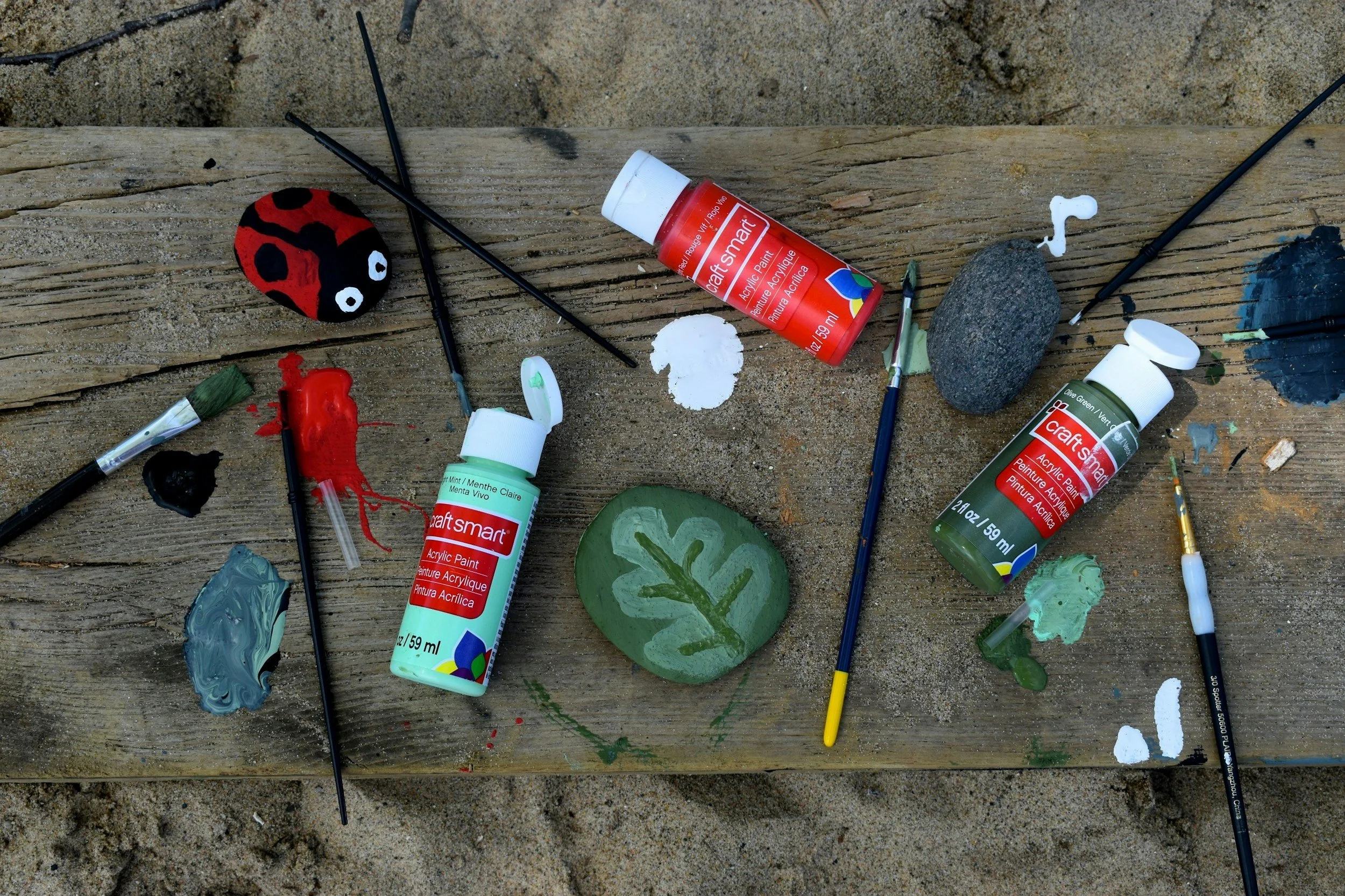
Lay out a cloth, cardboard, or newspaper. Place paints on a plate or tray and let your child choose colors freely.
For extra fun, invite children to mix, swirl, layer, dot, stripe, and splash.
You can say:
“Today, nature is our canvas.”
3. Paint With Imagination
A stick can become a snake, wand, dragon, bridge, or rainbow branch. A rock can become a ladybug, planet, house, egg, turtle, or tiny treasure.
Let your child lead the story.
Ask:
“What is your nature treasure becoming?”
4. Let It Dry and Create a Nature Corner
Let painted pieces dry in the sun. Then arrange them in a special place: a nature corner, garden path, outdoor shelf, fairy garden, tipi space, or seasonal table.
This gives children a chance to display their work with pride.
Part 2: Make a Nature Crown
1. Make the Crown Base
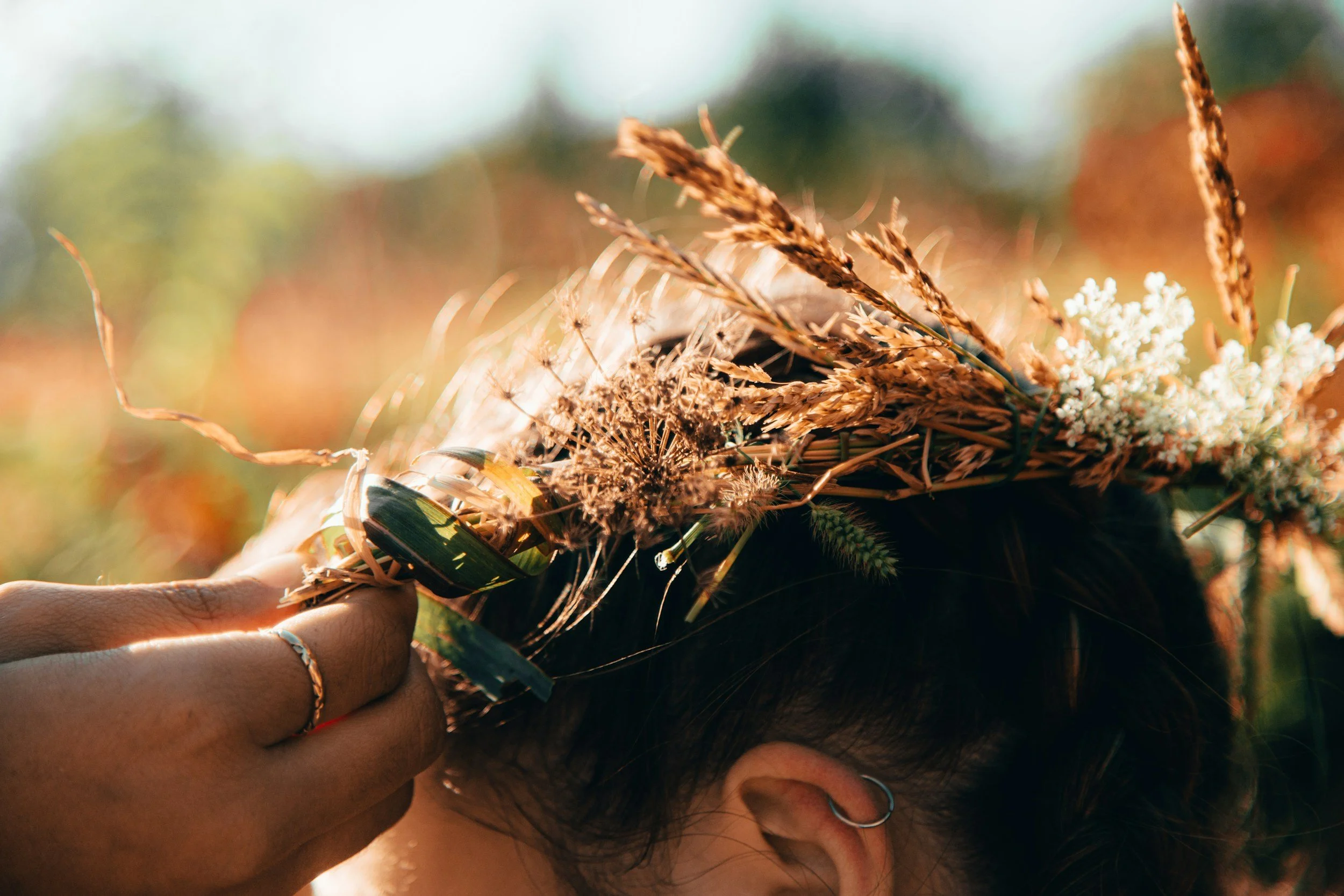
Cut a strip of kraft paper or a paper bag long enough to fit around your child’s head.
2. Add Nature Treasures
Let your child decorate the crown with leaves, flowers, grasses, twigs, feathers, or painted pieces of paper.
3. Crown Your Wild Royalty
Once dry, tape or staple the ends together.
Ask:
“Are you a forest king, meadow queen, garden guardian, butterfly prince, or woodland explorer?”
Simple Answers for Curious Kids
Child asks: “Why paint rocks and sticks?”
You can say: “Painting natural objects helps us look at them in a new way. We notice their shapes, textures, lines, and colors, then use our imagination to turn them into something new.”
Child asks: “Why does paint look different on bark than on a rock?”
You can say: “Different surfaces hold paint differently. Bark is rough and bumpy, so paint may sink into the grooves. A smooth rock may let paint spread more evenly.”
Child asks: “Why does paint dry faster in the sun?”
You can say: “Warmth helps the water in the paint evaporate, or dry up, faster.”
Child asks: “Why make crowns from nature?”
You can say: “Nature crowns help us celebrate what we notice outside. Leaves, flowers, grasses, and feathers can become art when we arrange them with care.”
Inside The Web of Life Curriculum, parents receive simple explanations like this so you can guide science, art, and nature conversations with confidence.
Parent Guidance by Age
Ages 5–6: Explore Color, Texture, and Imagination
At this age, keep the activity sensory and playful. Let your child paint freely, name colors, touch textures, and tell stories about what they are making.
Ask: “What does this rock or stick feel like?”
You can say: “Some things in nature are smooth, some are rough, some are bumpy, and some are soft. Artists notice textures before they create.”
Ask: “What is your stick becoming?”
You can say: “Your imagination helps you see something new in an ordinary object.”
At-home extension: Make a small “wild art tray” with painted rocks, leaves, and sticks. Let your child rearrange it into different scenes.
Ages 7–8: Notice Patterns and Tell Stories
Children this age are ready to connect art with observation and storytelling.
Ask: “What patterns do you see in this leaf, bark, or rock?”
You can say: “Nature has many patterns: lines, dots, spirals, stripes, and shapes. Artists can use those patterns in their designs.”
Ask: “What story does your painted object tell?”
You can say: “Art can tell a story without using many words. Your colors and shapes help show what you imagined.”
At-home extension: Invite your child to create a painted nature character and write or tell a short story about it.
Ages 9–10: Think Like a Nature Artist
Older children can begin thinking about design choices, symbolism, natural materials, and environmental care.
Ask: “How did the shape of your object influence your design?”
You can say: “Artists often respond to the materials they are using. A curved stick, flat rock, or rough piece of bark can inspire different ideas.”
Ask: “How can we make art with nature while still caring for nature?”
You can say: “We can use fallen materials, take only what we need, avoid harming living plants, and return unused natural items outdoors.”
At-home extension: Have your child create a themed nature art collection, such as forest creatures, garden guardians, weather symbols, or pollinator homes.
Parent Encouragement: Let the Mess Become the Memory
You do not have to be an artist to create a meaningful art experience for your child.
The paint may smear. The crown may be crooked. Someone may use too much glue. The rocks may end up looking nothing like what anyone planned.
That is all part of it.
Open-ended art teaches children that creativity is not about getting everything right. It is about trying, noticing, choosing, changing, and expressing an idea.
Your presence matters more than the finished project. When you sit beside your child, laugh with them, ask about their ideas, and let them create freely, you are helping them build confidence, imagination, and joy.
Ready for More Wild Learning?
This nature art adventure is just one small glimpse into The Web of Life Curriculum — a hands-on homeschool program for ages 5–10 that brings together nature study, science, gardening, kitchen learning, homesteading, seasonal crafts, and outdoor exploration.
Each lesson gives your family a simple path to follow so you are not scrambling for ideas or wondering how to turn everyday moments into meaningful learning.
We help you bring screen-free, hands-on education into your home with lessons that feel alive, creative, and connected to the natural world.
You do not need to be an artist.
You do not need a perfect homeschool plan.
You do not need fancy materials.
You just need a curious child, a little imagination, and a gentle guide.
Ready to bring more wonder into your homeschool?