
Sweet as Honey: A Beeswax Candle-Making Lesson for Kids
There is something quietly magical about turning a simple sheet of beeswax into a glowing candle.
The honey-sweet smell, the soft texture of the wax, the careful rolling around the wick — it all invites children to slow down and create something beautiful with their own hands.
In this beeswax candle-making lesson, children explore where beeswax comes from, how bees use wax in the hive, how candles work, and why fire safety matters. It is a gentle blend of science, homesteading, handwork, faith, and wonder.
This activity is a small glimpse into The Web of Life Curriculum, where nature-based science, seasonal handcrafts, faith-filled reflection, homesteading, and hands-on learning come together in meaningful ways families can enjoy at home.
Explore The Web of Life Curriculum
Candle Safety Note
This activity is for making candles, not for children to use candles independently. Matches, lighters, flames, and candle lighting should always be handled by an adult.
Teach children that candles are tools, not toys. A candle should only be lit with adult supervision, placed in a safe holder on a heat-safe surface, kept away from hair, clothing, paper, curtains, and dried natural materials, and never left unattended.
What Kids Learn Through Beeswax Candle-Making
Science & Nature: Children learn that bees produce wax and use it to build honeycomb inside the hive.
Fine Motor Skills: Rolling beeswax sheets around a wick strengthens careful hand control, coordination, and focus.
Practical Life Skills: Children learn how candles are made, what a wick does, and why fire safety matters.
Sensory Learning: Beeswax invites children to notice smell, texture, warmth, softness, stickiness, and shape.
Faith & Wonder: This lesson creates a natural moment to appreciate God’s design in creation and the purposeful work of bees.
Stewardship: Children begin to understand that bees support flowers, gardens, food, ecosystems, and life around us.
Confidence & Pride: Completing a handmade candle helps children feel capable and proud of useful work.
This is the kind of learning that feels simple and beautiful on the outside, but quietly teaches science, patience, responsibility, care, and wonder.
Bring Nature-Based Handwork Home
Simple Supplies for Beeswax Candle-Making
Pre-cut beeswax sheets, available online or at craft stores
Cotton candle wicks, cut to size
Clean, flat workspace
Optional ribbon or cotton string for decorating
Candle holder for display or adult-supervised use
Matches or lighter for adult demonstration only
Choose natural decorations carefully. Avoid tying anything near the part of the candle that will burn.
Inside the full Web of Life Curriculum, families receive guided nature lessons, parent-friendly explanations, faith connections, age-level questions, and simple hands-on projects that make learning feel meaningful and doable.
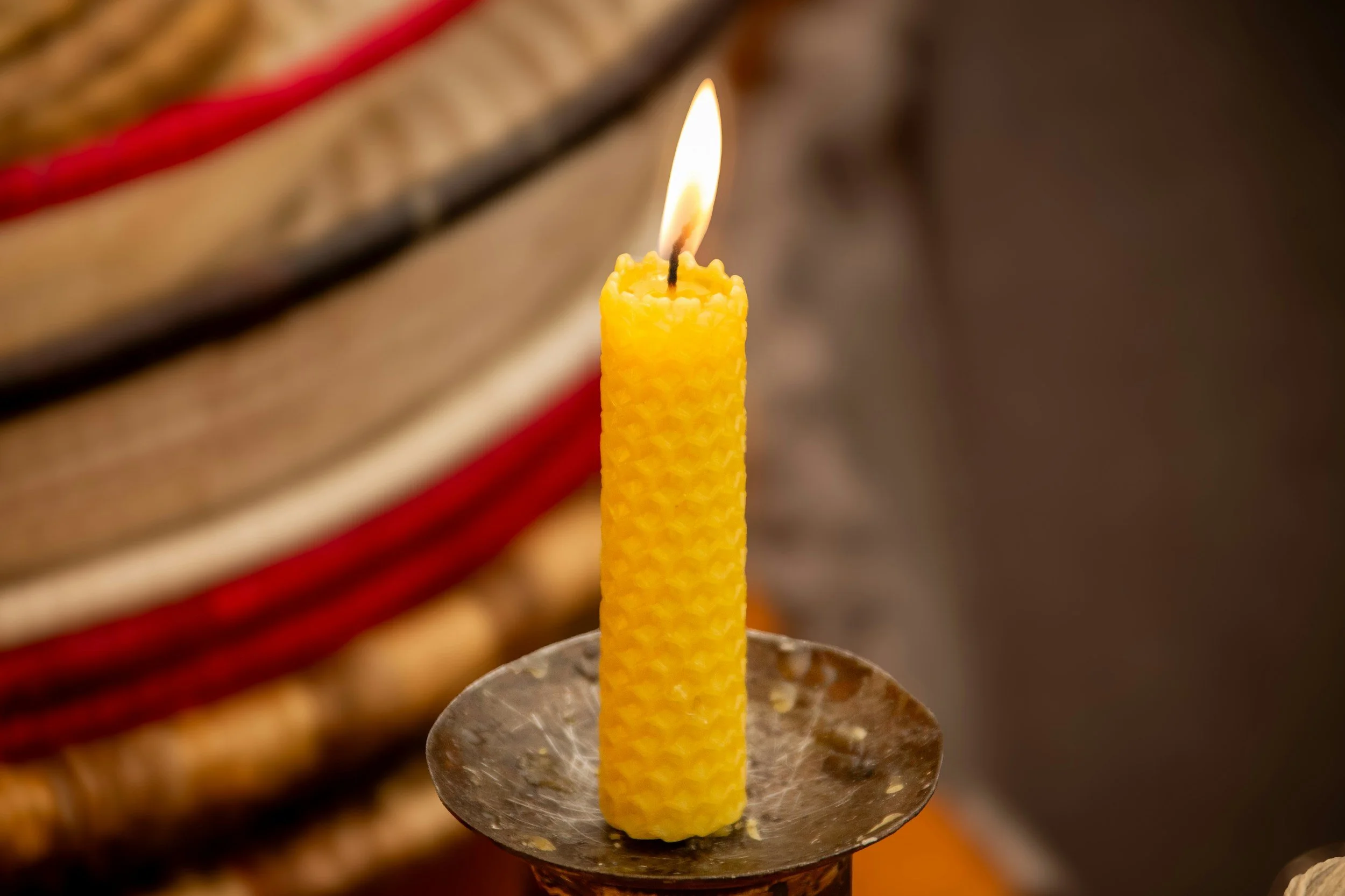
How to Roll a Beeswax Candle
1. Begin With the Bee Story
Show your child the beeswax sheet and invite them to smell and touch it.
Explain:
“Beeswax comes from bees. Worker bees use wax to build honeycomb inside the hive. The honeycomb holds honey, pollen, and baby bees.”
Ask:
“What do you notice about the wax?”
“Does it remind you of honey, flowers, or sunshine?”
2. Place the Wick
Lay the wick along one short edge of the beeswax sheet.
Explain:
“The wick is the part that helps the candle burn. When the candle is lit by an adult, melted wax travels up the wick and helps feed the flame.”
3. Start Rolling Slowly
Gently fold the edge of the wax over the wick and begin rolling tightly.
Encourage your child to keep the edges even and use slow, steady hands.
You can say:
“Slow work helps the candle hold its shape.”
4. Seal the Edge
When the candle is fully rolled, press the final edge gently into the candle with warm hands.
If the wax feels stiff, let it sit in a warm room for a few minutes so it softens slightly.
5. Decorate Simply
Tie a ribbon or cotton string around the candle if it will be used only for display or gifting.
If the candle will be burned later by an adult, remove any decoration before lighting.
6. Talk About Candle Safety
Before lighting any candle, review safety together.
You can say:
“Candles are beautiful, but fire must always be treated with care. Only adults light candles, and we never leave a flame alone.”
Conversation Starters & Reflection Questions
“What surprised you about how beeswax feels or smells?”
“Why do you think God gave bees the ability to make wax?”
“What are some ways we can care for and protect bees?”
“How did it feel to make something useful with your hands?”
“What does your candle remind you of?”
Simple Answers for Curious Kids
Child asks: “Where does beeswax come from?”
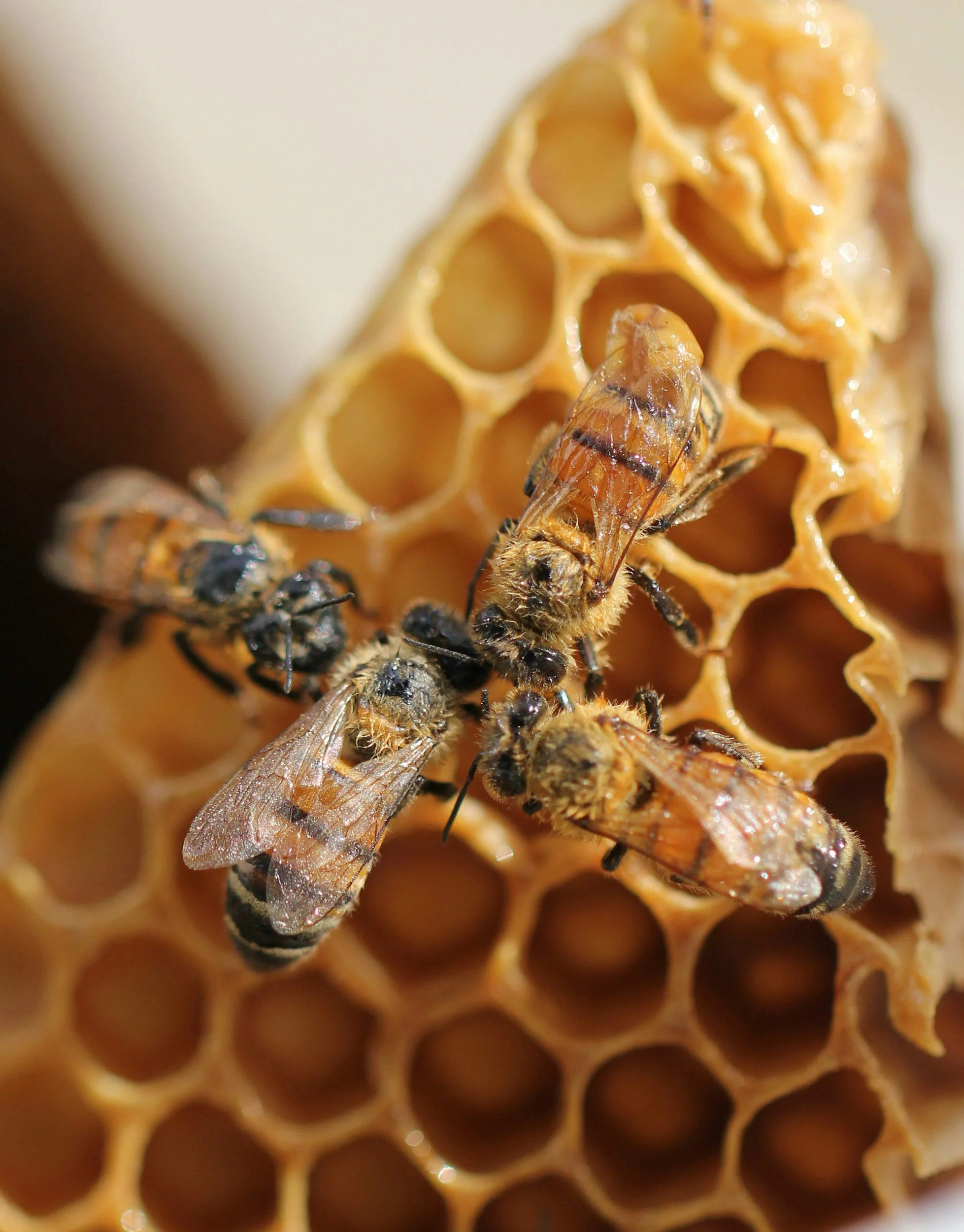
You can say: “Worker bees make tiny flakes of wax from special glands on their bodies. They use the wax to build honeycomb inside the hive.”
Child asks: “Why do bees need honeycomb?”
You can say: “Honeycomb is like the bees’ home and storage space. It holds honey, pollen, and places for young bees to grow.”
Child asks: “What does the wick do?”
You can say: “The wick pulls melted wax upward. The wax becomes fuel for the flame, which helps the candle keep burning.”
Child asks: “Why is beeswax good for candles?”
You can say: “Beeswax can burn slowly, smells naturally sweet, and comes from bees. It is a natural material people have used for a long time.”
Child asks: “How do bees help the world?”
You can say: “Bees help pollinate many flowers and crops. When they visit flowers, they help plants make seeds and fruit.”
Child asks: “Why do you think God made bees this way?”
You can say: “Bees remind us that even tiny creatures have important work to do. Their design helps the hive, the flowers, the garden, and the food we eat.”
Inside The Web of Life Curriculum, parents receive simple explanations like this so you can guide science, faith, nature, and homesteading conversations with confidence.
Parent Guidance by Age
Ages 5–6: Smell, Touch, Roll, and Wonder
At this age, keep the lesson sensory and simple. Let your child smell the beeswax, feel its texture, help place the wick, and roll with gentle support.
Ask: “What does the beeswax feel like?”
You can say: “Beeswax feels a little soft and sticky. Bees use wax to build honeycomb in their hive.”
Ask: “What do you smell?”
You can say: “Beeswax often smells sweet because it comes from the hive, where bees store honey.”
At-home extension: Draw a bee, a honeycomb, and the candle you made.
Ages 7–8: Notice How Candles Work
Children this age can begin understanding the parts of a candle and why beeswax is useful.
Ask: “Why do we need a wick?”
You can say: “The wick helps pull melted wax upward so the candle can burn.”
Ask: “Why do bees make wax?”
You can say: “Bees use wax to build honeycomb. Honeycomb helps them store food and raise young bees.”
At-home extension: Look at a picture of honeycomb and notice the repeating shapes. Ask, “What pattern do you see?”
Ages 9–10: Think About Design, Stewardship, and Purpose
Older children can begin connecting beeswax to pollination, ecosystems, sustainability, and human use of natural materials.
Ask: “How do bees help both the hive and the garden?”
You can say: “Bees make wax and honey for the hive, and they also pollinate flowers as they gather nectar and pollen. That helps many plants reproduce.”
Ask: “Why is it important to protect bees?”
You can say: “Bees are part of healthy ecosystems. They support flowers, gardens, crops, and many other living things.”
At-home extension: Have your child create a simple bee web showing bees, flowers, honeycomb, fruit, seeds, people, and animals.
A Simple Bee Stewardship Moment
After making candles, talk about how your family can care for bees.
You might:
Plant bee-friendly flowers
Avoid spraying harmful chemicals in the garden
Leave some flowering herbs or clover for pollinators
Provide shallow water with stones for safe landing
Learn to observe bees calmly without swatting
Ask your child:
“What is one way we can help bees this week?”
This turns a craft into stewardship.
Parent Encouragement: The Glow Is in the Making
Friend, your child’s candle may not roll perfectly.
It may lean.
The edge may wrinkle.
The wick may not sit exactly in the center.
The finished candle may look a little wobbly.
That is still a beautiful accomplishment.
These handmade moments teach children that useful things can be created slowly, with care. They learn that natural materials have a story. They learn that their hands can make something real.
You do not need to be a beekeeper or candle-maker to lead this lesson. Your presence, encouragement, and willingness to wonder alongside your child are what make the learning shine.
Want More Nature-Based Projects With Faith and Wonder?
This beeswax candle-making lesson is just one small glimpse into The Web of Life Curriculum — a hands-on homeschool program for ages 5–10 that brings together nature study, science, gardening, kitchen learning, homesteading, seasonal crafts, and Christian reflection.
Each lesson gives your family a simple path to follow so you are not scrambling for ideas or wondering how to explain the learning. Web of Life helps children see God’s design in nature, build practical skills, and grow in curiosity, confidence, and care for creation.
You do not need to be a beekeeper.
You do not need to be a craft expert.
You do not need to plan every lesson from scratch.
You just need a curious child, simple materials, and a little guidance.